
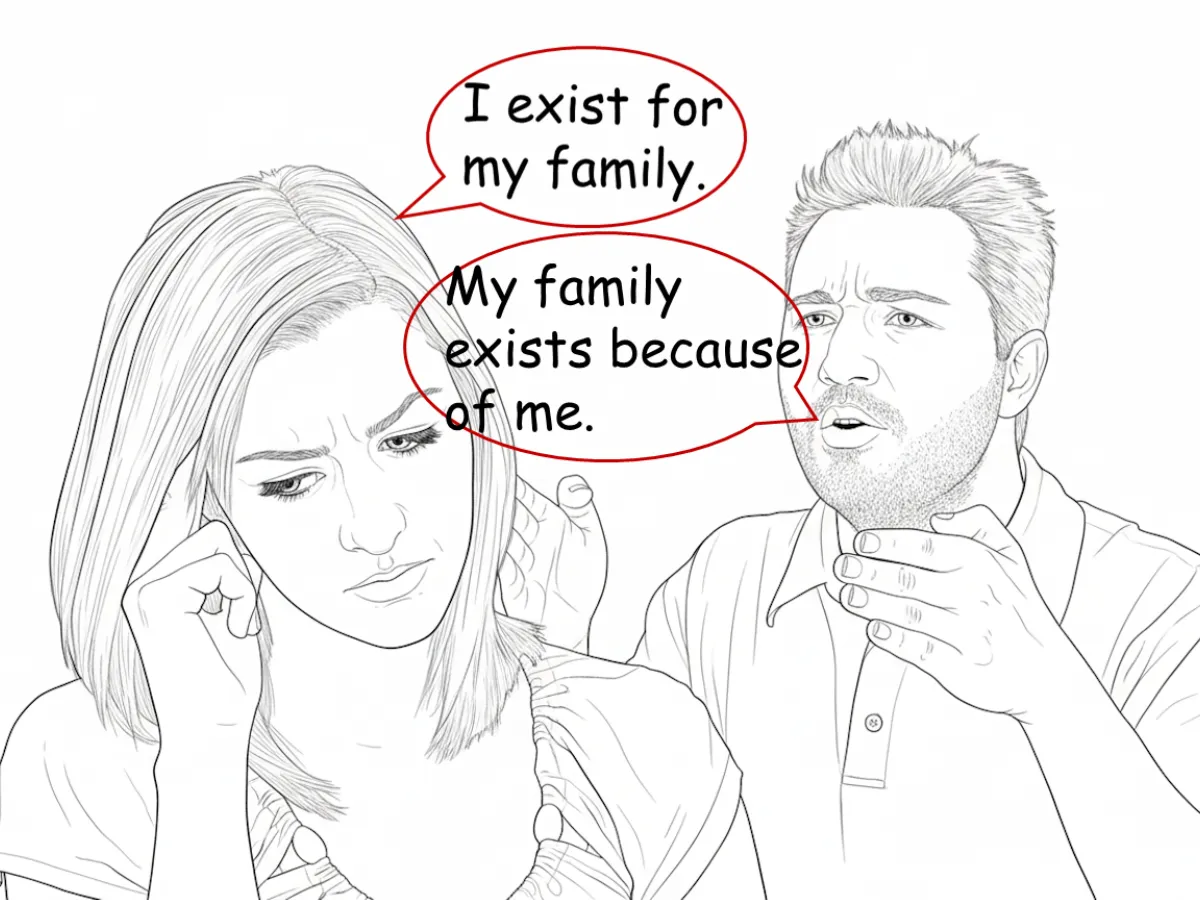
 Relationship views clash
RELATIONSHIP_VIEWS
Why Shared Beliefs Are Essential for Lasting Love and Success
Relationship View Compatibility: Understanding the Core Beliefs That Govern Your Love, How to Resolve Misalignment, and Create a Harmonious Partnership
 thelovemaze.com
What Are Relationship Views and Core Beliefs?
Every person steps into a relationship with a relationship view — a personal, deeply held belief system about what love, partnership, and commitment should look like. It’s shaped by culture, upbringing, past partners, attachment style, and individual values.
Relationship views are fundamental beliefs that influence:
Emotional needs and dependency levels.
Communication style and conflict rules.
Expectations of roles (e.g., finances, household, parenting).
Boundaries and need for independence/closeness.
The definition of loyalty, partnership, and commitment.
How affection is shown.
Examples include:
Should decisions be collaborative or separate?
How much closeness vs. personal space is healthy?
How do you show love — with words, actions, gifts, service?
What does mutual loyalty look like?
How do you define success in a relationship?
These are fundamental beliefs — not small preferences.
Why Similar Relationship Beliefs Are Essential for Compatibility
When two partners share similar relationship views, they create a strong foundation for mutual understanding and can grow as a team. But when those views clash, the relationship can feel confusing, unstable, or constantly full of conflict.
Understanding and aligning relationship views is one of the most powerful factors in long-term compatibility.
Aligned relationship beliefs lead to:
Shared Life Direction: Confidence in future plans and goals.
Emotional Safety: Mutual understanding that reduces misinterpretation.
Less Conflict and Resentment: Fewer arguments over fundamental "rules."
Stronger Trust and Commitment: Reliability based on similar standards.
Greater Relationship Satisfaction and Emotional Fulfillment.
When both partners operate by the same “rules of love,” the relationship feels smoother, more predictable, and more secure.
Impact of Misalignment: When Relationship Views Clash
When core beliefs about relationships do not match, constant friction can rock even the strongest relationship boat.
Common consequences of a lack of relationship view compatibility:
Repeated arguments over the same, foundational topics.
One partner feeling chronically neglected or controlled.
Misinterpreting each other’s intentions.
Constant disappointment or unmet, unspoken expectations.
Diminished intimacy and connection due to unresolved tension.
Threats to long-term compatibility (e.g., disagreements on children, finances, or exclusivity).
Over time, these differences translate directly into emotional distance, eroding trust.
Behaviors Triggered by Misaligned Relationship Expectations
These red flags often appear early and signify a struggle with aligning relationship expectations:
❌ Commitment Conflict: One partner seeks labels/commitment; the other avoids it.
❌ Communication Chaos: Conflicts escalate due to different rules for dialogue (e.g., one yells, the other stonewalls).
❌ Partners accuse each other of “not caring.”
❌ Closeness/Space Battles: One pushes for intense closeness; the other constantly seeks independence (Anxious-Avoidant cycle).
<How much space do you need in a relationship?>
❌ Jealousy vs. independence arguments.
❌ Role Confusion: Constant fighting over undefined or disputed roles (e.g., who handles the money, who does which chores).
<How well are you building a family?>
❌ Unfair Compromise: The necessary compromise is only made by one person, leading to resentment.
These patterns often appear early — and worsen if ignored.
Strategies for Aligning Relationship Expectations
Differences don’t have to end a relationship, but they must be managed with intention and skill.
1. In Yourself - Clarifying Your Own Relationship View
If you aren’t clear on your own beliefs, you can’t communicate them.
Try these:
✨ Reflect on your expectations: What do you need in a relationship?
✨ Identify Origin: Discern which beliefs come from past trauma or fear versus genuine desire.
✨ Develop Skills: Build emotional communication and assertive boundary-setting skills.
✨ Learn about different healthy relationship models
The more self-aware you are, the more clarity you bring to the partnership.
2. In Others - Bridging the Gap with Your Partner
Differences don’t have to end a relationship — but they must be addressed:
Discuss core beliefs early — not years in: Engage in open dialogue about major issues before commitment deepens (e.g., "What does partnership mean to you?").
Understand their background: Explore how their upbringing, culture, or past partners shaped their view.
Agree on Shared Rules: Collaboratively define the "rules" for your specific relationship (e.g., communication standards, financial agreements, definitions of loyalty).
Explore Mutual Compromise: Find solutions that honor the core needs of both partners.
Seek Coaching: If major beliefs clash, couples coaching or therapy can provide tools for negotiation.
Growth comes from understanding, not forcing change.
When Relationship Views Simply Don’t Match
Some beliefs determine long-term compatibility:
Desire for monogamy vs. non-monogamy.
How to raise children and share responsibilities.
Religion and cultural values.
Commitment timelines.
Future life goals and finances.
If these never align — even with communication — the healthiest choice may be to walk away with respect.
Final Thoughts: Shared Relationship Views Create Shared Success
Relationship view compatibility is the scaffolding of lasting love. Love is not only about chemistry; it is fundamentally about the compatibility of beliefs.
When two people successfully:
Align Relationship Expectations.
Communicate Core Beliefs Openly.
Respect Each Other’s Needs and Boundaries.
...they build a functional, resilient, and deeply satisfying relationship that is prepared to stand the test of time.
Understanding each other’s relationship views isn’t just helpful — it’s essential for long-term love.