
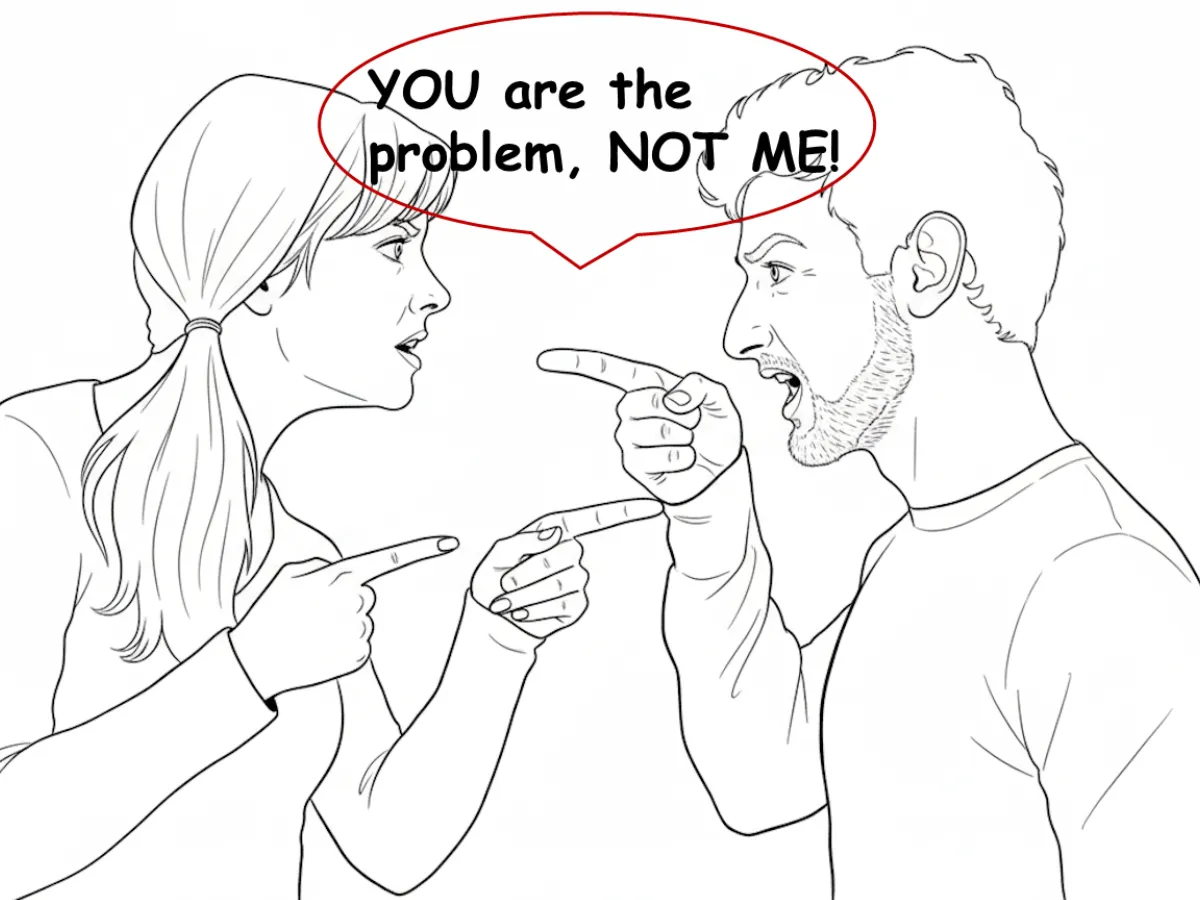
 Low EQ
EMOTIONAL_INTELLIGENCE
Why High EQ is the Key to Lasting Love and Connection
Emotional Intelligence in Relationships: Mastering Emotional Regulation, Deepening Communication, and Transforming Conflict into Growth for Relationship Success
 thelovemaze.com
What Is Emotional Intelligence (EQ)?
Emotional Intelligence — often called EQ — is the ability to recognize, understand, and manage your own emotions while also being attuned to your partner’s feelings and needs. It’s a crucial set of skills that helps you navigate conflict, communicate effectively, and build deeper emotional connection.
In relationships, high EQ shows up as:
Emotional self-awareness of your own triggers, needs, and feelings.
Empathy and curiosity about your partner’s emotions.
Emotional regulation tools during stress or disagreements.
Honest, calm, and respectful relationship communication.
The ability to apologize, repair, and grow from mistakes.
Maintaining emotional balance rather than reacting impulsively.
Emotional intelligence ensures that love is grounded in understanding — not assumptions or reactivity.
Why High EQ Is Essential for Relationship Success
Emotional intelligence is one of the strongest predictors of relationship success and satisfaction. When both partners can express themselves clearly and listen with empathy, conflict becomes growth instead of damage.
High EQ benefits relationships by:
Improving communication through clarity and compassion.
Deepening intimacy and emotional bonding.
Reducing unnecessary conflict and misunderstandings.
Increasing trust and a vital sense of safety.
Supporting healthier responses to stress and change.
Building long-term relationship satisfaction and lasting love.
EQ turns challenges into opportunities to strengthen love, not break it.
Damages and Impact Due to a Lack of Emotional Intelligence
Low EQ can make relationships feel chaotic, confusing, or emotionally draining. When emotions are mismanaged or misunderstood, conflict escalates quickly, and emotional repair becomes rare.
Common impacts of low low emotional intelligence include:
Frequent arguments and unresolved issues.
Emotional withdrawal or shutdown from feeling misunderstood.
Miscommunication leading to deep hurt feelings or resentment.
Lack of empathy, causing partners to feel unseen or uncared for.
Trust issues when feelings are dismissed or ignored.
Toxic patterns like blame, stonewalling, or defensiveness.
A relationship without EQ becomes a cycle of hurt instead of healing, significantly reducing the chances of relationship success.
Typical Behaviors That Reflect Low Emotional Intelligence
Low EQ is not about being uncaring — it’s about lacking the necessary emotional regulation skills. These behaviors often emerge when someone struggles with self-awareness or constructive emotional handling.
Common low-EQ patterns include:
Overreacting or exploding during conflict.
Difficulty apologizing or taking accountability.
Interrupting instead of active listening.
Dismissing or minimizing a partner’s valid feelings.
Jealousy, insecurity, or possessiveness.
Struggling to express needs/feelings in healthy ways.
Holding grudges or unfairly bringing up past mistakes.
Blaming others rather than engaging in self-reflecting.
These patterns make emotional connection feel unsafe or impossible for both individuals.
How to Build and Maintain High Emotional Intelligence
1. In Yourself-Strengthening EQ and Emotional Regulation
Improving EQ is a lifelong skill — and an act of love toward both you and your partner. It requires slowing down, tuning in, and responding with intention rather than impulse.
Practical steps to strengthen emotional regulation and EQ:
Practice emotional self-awareness: Identify what you feel and why (emotional roots).
<Discover your awareness style>
Communicate Clearly: Use “I” statements to to own and express your needs clearly.
Develop empathy: Ask open-ended questions before judging or assuming.
Use the Pause: Regulate your intense emotions before reacting during conflict.
Reflect and Learn: Commit to learning from conflicts and making sincere repairs.
Accept responsibility when you hurt your partner.
Practice Mindfulness: Use stress-management techniques to maintain emotional balance.
Growth begins with knowing your emotions — not letting them control you.
2. In Others-Supporting a Partner’s Emotional Growth
Supporting your partner’s emotional intelligence requires patience and creating an environment of safety, not pressure. Guidance should come through compassion and modeling healthy behavior.
Ways to encourage high EQ in your partner:
Validate their feelings: Acknowledge their perspective and emotion, even if you disagree with their actions.
Create a safe space: Encourage open expression without fear of judgment.
Model repair: Focus on sincerely repairing the emotional damage, not on winning the argument.
Share feedback calmly and clearly.
Celebrate vulnerability: Affirm moments of self-awareness and emotional honesty.
Practice active listening together.
Suggest shared emotional skills like journaling or counseling.
Emotionally intelligent couples are not those who never fight — they are the ones who fight with love and wisdom.
Final Thoughts on EQ and Lasting Love
Emotional Intelligence is the backbone of a strong, fulfilling, and resilient relationship. When two people commit to understanding themselves and each other, love becomes deeper, communication becomes healthier, and challenges become easier to overcome, leading to lasting love.
High EQ doesn’t eliminate conflict — it transforms it into connection.
Because the strongest relationships are built not just on love… but on emotional wisdom.