
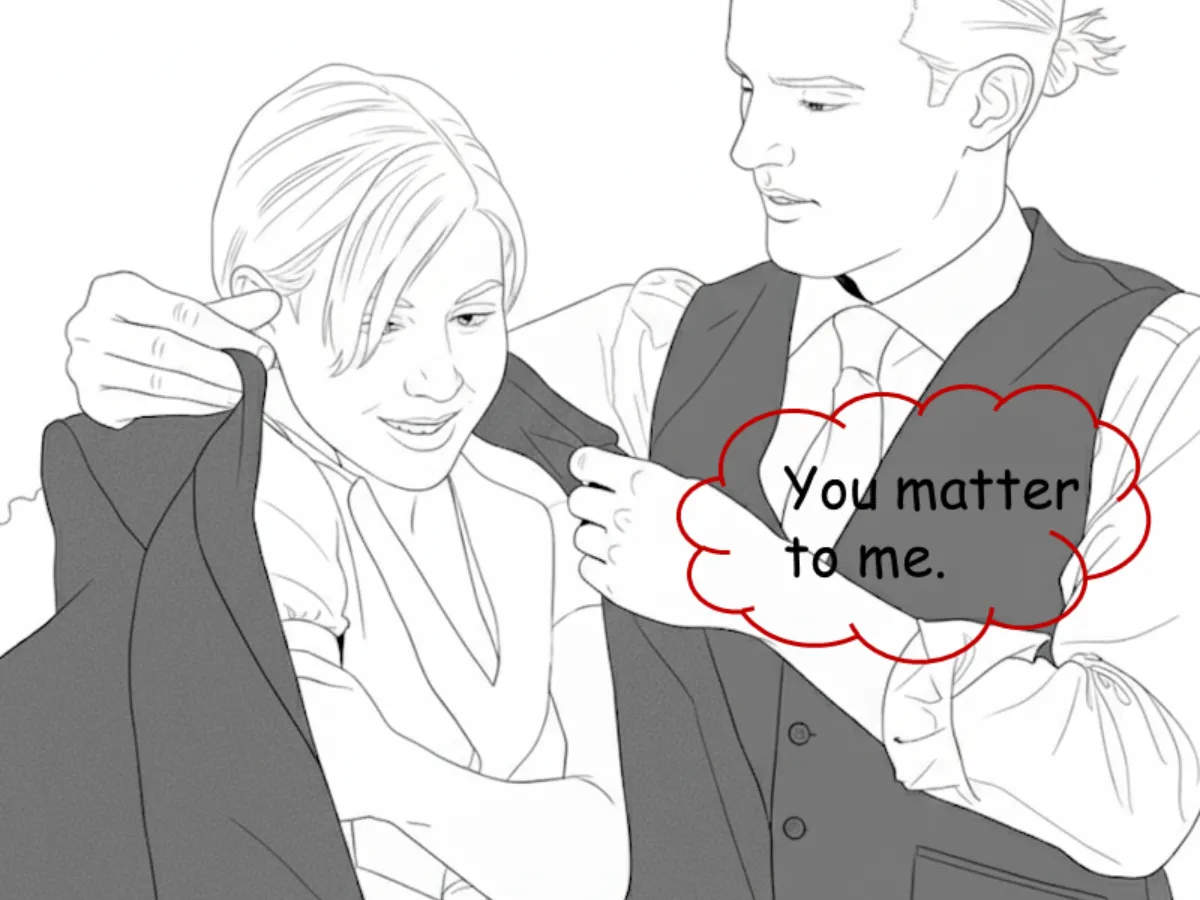
 Warmth_You_Matter_To_Me
WARM_KIND
The Power of Warmth and Kindness in Relationships: The Key to Emotional Safety and Lasting Love
Why Compassion is Essential, The Damage of Emotional Coldness, and Practical Ways to Cultivate Tenderness and Connection
 thelovemaze.com
What Does It Mean to Be Warm and Kind in a Relationship?
Being warm and kind means showing genuine care, empathy, and affection toward your partner. It’s the way you make someone feel safe, valued, and understood—through words, tone, gestures, and presence.
Warmth is emotional openness; kindness is how that warmth is expressed through actions. Together, they create the emotional climate that allows love to grow and flourish.
When a partner is warm and kind, the other feels accepted—not just when things are good, but especially when they’re struggling. It’s the gentle word after disagreement, the quiet support during stress, and the small acts that say, “You matter to me.”
Why Warmth and Kindness Are Important for Emotional Connection
Kindness is the emotional glue that holds relationships together, especially during hard times. It softens conflict, strengthens trust, and keeps both people emotionally secure. Without it, even strong attraction or shared goals can fade into resentment.
Here’s why warmth and kindness matter so much:
Build Emotional Safety: When your partner feels cared for, they can open up and be vulnerable without fear of judgment..
Reduce Conflict Intensity: Kindness calms tension and makes problem-solving easier and more effective.
Create Lasting Affection: Love thrives when partners treat each other with tenderness, not criticism.
Boost resilience: Couples who are kind to each other recover faster from disagreements and setbacks.
Sustain connection: Warmth keeps the emotional bond alive even through stress or change.
In essence, warmth and kindness are the emotional oxygen of a relationship—without them, everything else suffocates.
Damages and Impact Due to a Lack of Warmth and Kindness
A relationship without kindness may still function, but it won’t feel fulfilling. Over time, emotional coldness, harshness, or emotional neglect erodes trust and affection.
Common effects of a lack of warmth and kindness include:
Emotional distance and a significant loss of intimacy.
Increased arguments, defensiveness, and criticism.
Growing resentment or emotional indifference.
Feeling unappreciated or deeply unloved.
Breakdown of communication and empathy.
Higher stress and lower relationship satisfaction for both partners.
Even small acts of unkindness—sarcasm, dismissive tones, or ignoring needs—can build up and make one partner feel unsafe or unseen.
Typical Behaviors of a Lack of Warmth and Kindness
Unkindness doesn’t always appear as cruelty; it often shows up subtly as emotional neglect or coldness in everyday habits or reactions.
Common signs of a lack of compassion include:
Dismissing your partner’s feelings with phrases like “You’re overreacting.”
Using sarcasm, criticism, or mockery frequently.
Ignoring emotional or physical affection.
Withholding appreciation or gratitude for efforts.
Prioritizing being “right” over being caring or supportive.
Lack of empathy or presence during your partner’s difficult times.
Avoiding meaningful conversation or emotional support.
These behaviors may seem small in the moment, but they slowly and surely chip away at the foundation of lasting love.
How to Cultivate Warmth and Kindness in Your Relationship
1. In Yourself-Nurturing Compassion and Tenderness
Kindness is a habit that can be developed through conscious practice and emotional awareness, even if you weren’t raised in a warm environment or have built emotional walls over time.
Practical steps to increase warmth and kindness:
Pause before reacting: Ask, “Will what I’m about to say help or harm our connection?”
Practice gratitude daily: Verbally appreciate your partner’s efforts, big or small.
Show affection: Prioritize physical touch, eye contact, and simple gestures of tenderness.
Listen with empathy: Try to understand their core feeling before defending your point.
Apologize sincerely: Kindness includes humility and emotional accountability for mistakes.
Speak gently: Tone matters as much as words. Focus on maintaining a soft, respectful tone.
Celebrate your partner: Acknowledge their strengths and presence in your life.
Kindness is not weakness—it’s strength in action. It says, “I choose love, even when it’s hard.”
2. In Others-Encouraging Warmth in Your Partner
If your partner struggles to express warmth or kindness, approach them with understanding rather than blame.
Here’s how to navigate it:
Model the behavior: Consistently show warmth yourself; it often encourages reciprocity.
Communicate clearly: Express how their tone or actions make you feel without attacking (I-statements).
Acknowledge effort: When they show kindness, no matter how small, sincerely appreciate it.
Encourage emotional openness: Ask gentle questions like, “What helps you feel close or cared for?”
Avoid sarcasm or criticism: It shuts down vulnerability.
Seek shared rituals: Small daily acts (like morning hugs or nightly check-ins) rebuild emotional connection.
Change takes time—patience and consistent kindness are more effective than confrontation when dealing with emotional coldness.
Final Thoughts on Compassion and Lasting Love
Warmth and kindness may seem simple, but they are the most powerful expressions of lasting love. They make relationships not only endure but feel alive and safe.
A lack of kindness leads to loneliness—even in committed relationships—while consistent warmth builds a partnership rooted in compassion, respect, and joy.
When both partners choose kindness over ego, empathy over judgment, and gentleness over anger, love doesn’t just survive—it thrives.