
 Relationship_happiness
HAPPINESS_RELATIONSHIP
The Power of Individual Happiness in Relationships: The Fuel and Foundation for Lasting Love and Emotional Wellness
Why Being Happy Strengthens a Healthy Partnership and Connection, The Impact of Unhappiness, and Practical Steps to Cultivate Relationship Satisfaction
 thelovemaze.com
What Does It Mean to Be Happy?
Being happy doesn’t mean smiling all the time or living a problem-free life. True happiness comes from inner peace, contentment, and emotional balance. It’s the ability to appreciate life’s simple moments, stay resilient during challenges, and find meaning in connection with others.
In relationships, happiness is not about depending on your partner to make you feel good—it’s about sharing your inner sense of joy and stability. When both partners bring emotional wellness to the relationship, lasting love thrives more naturally.
Why Happiness Is Important for a Healthy Relationship
Happiness acts as emotional fuel in any relationship. It creates a positive environment where affection, patience, and effective communication can flourish. When partners are individually and mutually happy, they are better equipped to handle challenges and appreciate each other.
Here’s why happiness is vital for healthy relationships:
Boosts emotional connection: Happy people are more affectionate, open, and emotionally generous.
Improves communication: A positive mindset reduces defensiveness and increases mutual understanding.
Inspires relationship growth: When you feel good about yourself, you’re more willing to grow together, not apart.
Creates balance and emotional stability: Happiness prevents codependency—each partner takes responsibility for their own joy and well-being.
Builds resilience: A happy outlook helps couples recover from conflicts faster and with more grace.
In essence, happiness in a relationship starts from within—it’s the foundation that supports love, trust, and emotional safety.
Damages and Impact Due to a Lack of Happiness
When happiness fades, relationships often begin to feel heavy, distant, or transactional. Unhappiness—whether stemming from personal dissatisfaction or relational struggles—can quietly erode emotional connection and intimacy.
Common impacts of a lack of happiness in a partnership include:
Growing emotional distance or irritability.
Negative communication patterns or constant criticism.
Loss of affection and physical intimacy.
Increased conflict over small, trivial issues.
Codependency - Dependence on your partner to constantly “fix” your mood.
Feelings of resentment, boredom, or hopelessness, leading to relationship dissatisfaction.
Over time, unhappiness can drain both individuals, making love feel more like an obligation than a source of joy.
Typical Behaviors of a Lack of Happiness
A person struggling with happiness may not always appear sad—they may simply seem disengaged, unfulfilled, or easily frustrated. Recognizing these patterns of emotional struggle early can help prevent long-term damage.
Common behaviors signaling a lack of relationship joy include:
Frequent complaining, cynicism, or pessimism.
Withdrawal from emotional or physical intimacy.
Irritability, sarcasm, or a perpetually short temper.
Lack of enthusiasm for shared activities or future plans.
Feeling trapped or unmotivated both personally and relationally.
Seeking constant validation or reassurance from a partner
These behaviors can signal deeper emotional fatigue or unresolved dissatisfaction—either with oneself or the relationship dynamic.
How to Deal with a Lack of Happiness and Cultivate Joy
1. In Yourself-Nurturing Personal Happiness (Self-Care)
Taking responsibility for your own emotional wellness is the first step toward relationship happiness.
Focus on self-care: Sleep well, eat healthy, exercise, and create space for joy outside the relationship.
Practice gratitude: Intentionally shift focus from what's lacking to what's present and positive.
Reconnect with passions: Personal fulfillment significantly strengthens relationship happiness.
Challenge negative thinking: Notice recurring unhappy thoughts and replace them with balanced perspectives.
Seek support: If unhappiness persists, talking to a therapist can bring clarity and relief.
When you take responsibility for your own joy, you relieve your partner of undue emotional pressure—and create a sustainable space for lasting love to grow naturally.
2. In Others-Supporting a Partner's Emotional Wellness
If your partner is struggling with a lack of happiness, you can offer support without enabling dependency.
Listen with empathy: Sometimes people just need to be heard without judgment or correction.
Encourage, don’t fix: Offer support, but let them take ownership of their emotional well-being.
Create joyful moments together: Shared laughter and lightness rebuild emotional connection.
Model positivity: Your calm, grounded energy can influence theirs more than words can.
Set emotional boundaries: Don’t let their unhappiness consume your own mood—compassion without codependency is essential.
Final Thoughts on Individual Joy
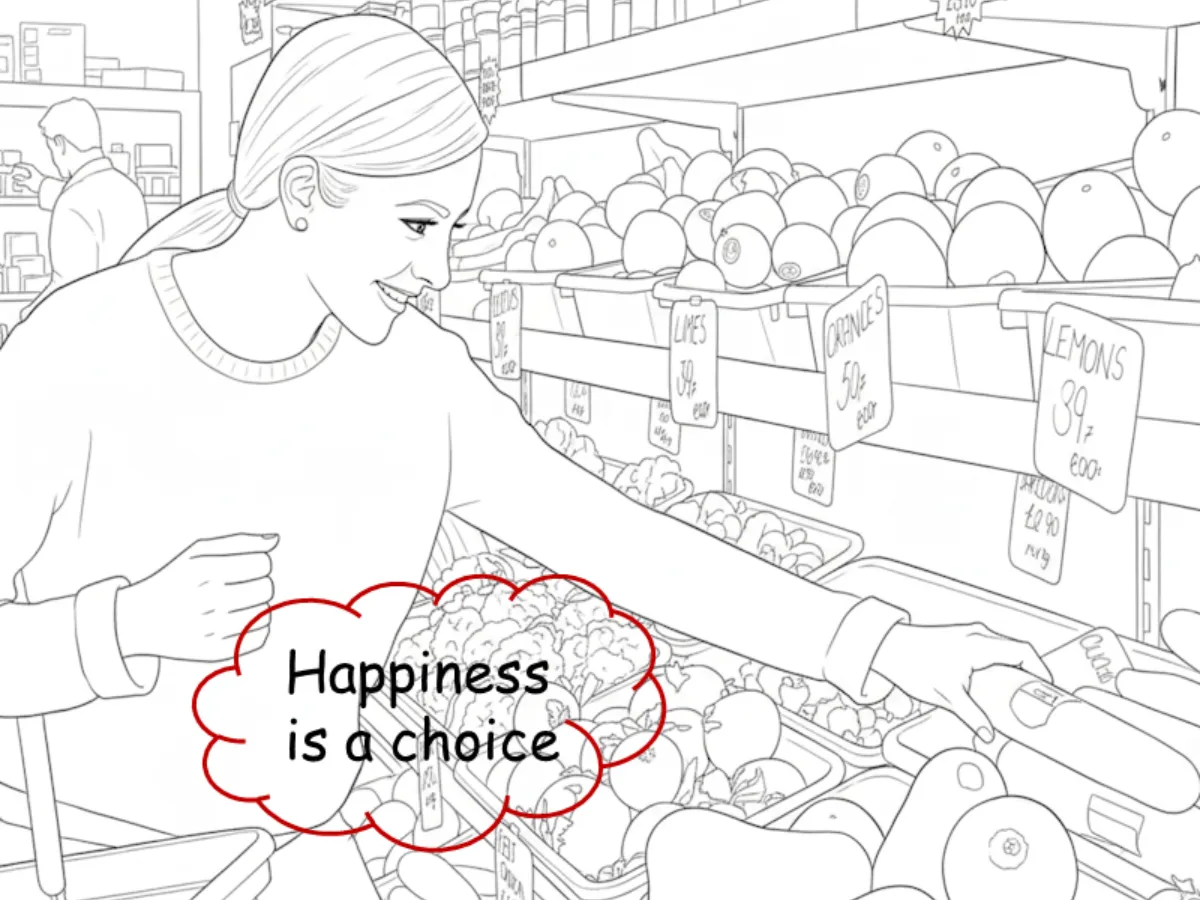
Happiness is not just a fleeting feeling—it’s a conscious choice and a daily practice. In relationships, it’s the invisible thread that weaves love, trust, and resilience together. When both partners commit to nurturing their own emotional well-being, the relationship becomes a space of warmth, laughter, and emotional freedom.
Remember: being happy doesn’t mean ignoring problems—it means facing them with optimism, gratitude, and a belief that lasting love is worth the effort.