
 Humor in Relationships
SENSE_OF-HUMOR
The Magic of Shared Laughter for Deeper Connection and Lasting Love
Humor in Relationships: How Playfulness, Levity, and Emotional Ease Strengthen Bonds and Help Diffuse Conflict Effectively
 thelovemaze.com
What Does It Mean to Have a Good Sense of Humor in Love?
A good sense of humor isn’t about being a comedian or cracking jokes nonstop — it’s about bringing lightness, joy, and play into the relationship.
It's the ability to uplift each other and turn ordinary moments into treasured memories.
Humor in love looks like:
Laughing together about everyday moments, even the chaotic ones.
Finding joy and perspective during stress or challenges.
Knowing when to tease and when to empathize.
Not taking yourself too seriously (self-compassion).
Creating inside jokes and fun connection rituals.
Humor signals comfort, trust, and emotional ease—it's the foundation of relationship playfulness.
Why Shared Laughter Is Important for Emotional Connection
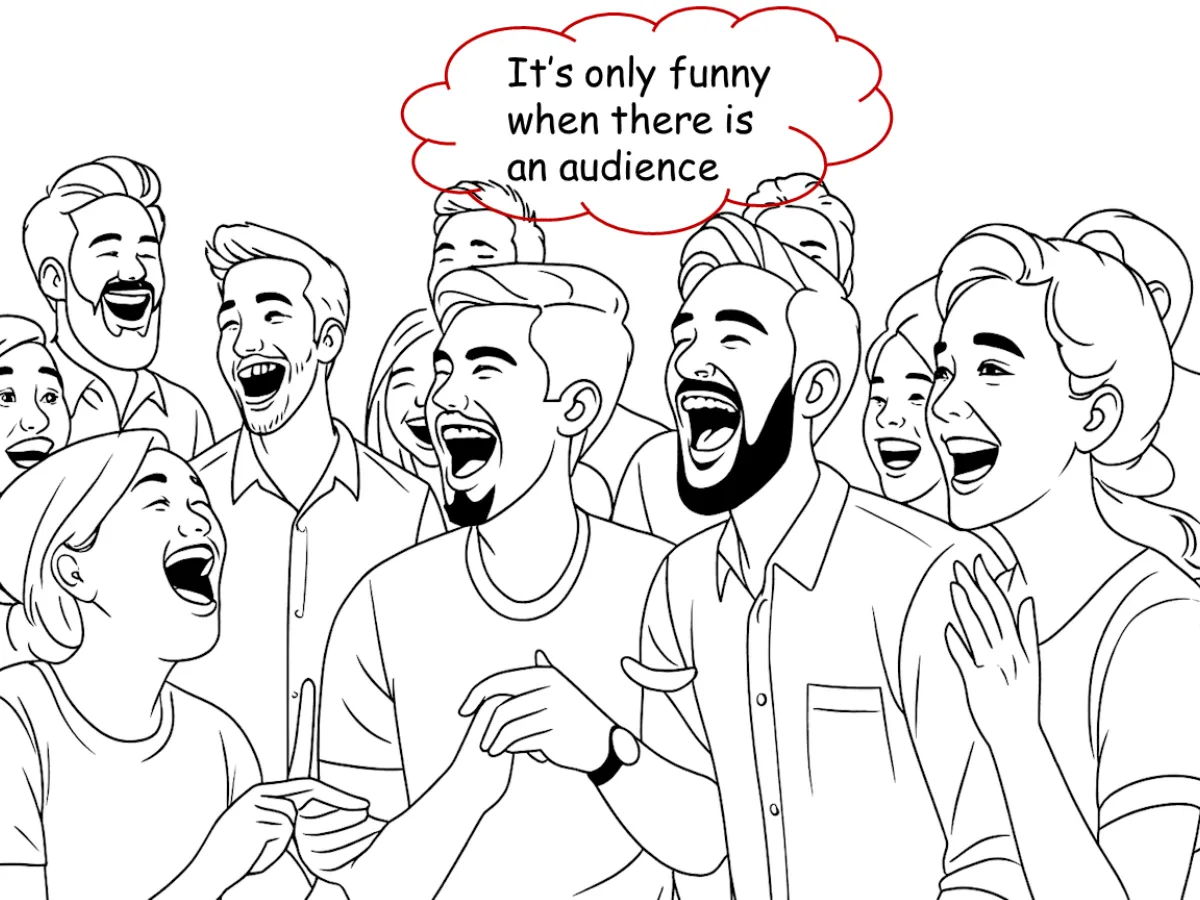
Laughter is like emotional glue — it keeps partners close through both the highs and lows.
A strong sense of humor and shared laughter offer vital benefits:
Reduces Tension: Helps diffuse conflict and de-escalates arguments quickly.
Strengthens Intimacy: Boosts emotional attraction and closeness.
Smoother Communication: Makes difficult conversations easier and less rigid.
Builds Resilience: Acts as a buffer and natural stress release during hard times.
Enhances Excitement: Keeps the relationship vibrant and playful.
Boosts Bonding: Increases happiness and the production of positive bonding hormones.
A couple who laughs together recovers faster from disagreements and feels safer being vulnerable. Humor reminds us that joy is part of love’s purpose — not just a bonus.
Damages and Impact of a Humorless Dynamic
A relationship without humor or playfulness often feels heavy, rigid, and serious—like every small issue is a crisis.
Common impacts of a humorless dynamic include:
Increased Conflict: Everything feels serious, leading to high-stakes arguments.
Emotional Distance and Boredom: The connection can feel like a chore.
Stress Buildup: Lack of a natural, quick emotional release valve.
Feeling Unsafe: Walking on eggshells due to the partner's rigid response.
Reduced Intimacy: Tension and rigidity stifle affection and desire.
Loss of Joy: The relationship slowly loses its uplifting quality.
When partners forget to play, they often stop feeling like friends — and that can silently erode the relationship foundation.
Typical Behaviors That Show a Lack of Playfulness
A weak sense of humor isn't always obvious, but the behaviors show a pattern of emotional rigidity:
Taking everything personally or being easily offended.
Rarely smiling or laughing during interactions.
Dismissing jokes or silliness as childish or pointless.
Becoming easily irritated by playful teasing or behavior.
Treating stress like a catastrophe every single time.
Believing intimacy only comes from serious conversation.
Shutting down lighthearted affection or attempts at fun.
These patterns make a relationship feel emotionally exhausting instead of supportive and uplifting.
How to Strengthen Humor and Relationship Playfulness
1. In Yourself-Cultivating a Joyful Mindset
A playful spirit and joyful mindset are muscles you can strengthen through practice.
Ways to bring humor back:
Practice Self-Compassion: Learn to laugh at yourself when you make mistakes.
Seek Levity: Actively look for the funny moments in daily chaos or routine.
Relax Control: Understand that perfection is the enemy of fun and spontaneity.
Invite Laughter In: Watch comedy together or share funny stories/memories.
Allow Silliness: Let play be spontaneous and embrace lightheartedness.
Share funny memories or stories
Smile More: A simple smile encourages joy and a receptive mood instantly.
A playful spirit often brings out the same energy in your partner.
2. In Others-Encouraging Shared Laughter in Your Partner
Supporting a more playful dynamic requires sensitivity, especially if your partner is naturally more serious.
You can help by:
Co-create Humor: Develop inside jokes and references that are exclusive to your relationship.
Validate Play: Celebrate their playful moments with affection and appreciation.
Use Humor Gently: Apply levity to diffuse tension (never mock or minimize their feelings).
Suggest Fun Dates: Plan lighthearted activities and prioritize shared enjoyment.
Prioritize Emotional Breaks: Take pauses in serious talks to reconnect emotionally through lightness.
Appreciate small laughs — build the habit slowly.
Celebrate their playful moments with affection.
Humor should feel safe, inclusive, and loving — never sarcastic or cutting.
Final Thoughts: Play Is Love in Motion; Shared Laughter Builds Resilience
A good sense of humor keeps lasting love alive. It reminds couples that joy doesn’t have to wait — it can show up right here, in the small and silly moments.
When partners laugh together, they build:
Stronger trust and safety.
Happier memories and shared history.
Softer hearts and increased empathy.
A more resilient bond against stress.
Because sometimes the most healing thing a couple can say to each other is simply:
“Let’s laugh about this together.”