
 Neat_Tiday_Organize_Life
BEING_ORGANIZED
The Importance of Being Organized in Relationships: How Order Builds Harmony, Trust, and Emotional Balance
Why Shared Life Structure Is Essential, The Impact of Disorganization, and Actionable Steps to Improve Organization Habits and Teamwork
 thelovemaze.com
What Does It Mean to Be Organized in a Relationship?
Being organized means more than keeping things neat—it’s about having clarity, structure, and intention in how you manage time, space, and responsibilities.
An organized person knows what needs to be done, keeps commitments, and reduces unnecessary chaos. In relationships, organization is both a practical and emotional skill. It reflects reliability, consideration, and respect for shared life—whether it’s remembering anniversaries, managing finances, or keeping the home functional.
Relationship organization isn’t about perfection—it’s about creating order that supports peace and connection.
Why Organization Is Important for Relationship Stability
Organization provides crucial stability, which is the foundation of emotional safety. When both partners can depend on routines, plans, and shared systems, they experience less stress and create more space for closeness.
Here’s why being organized matters in healthy relationships:
Promotes teamwork and alignment: Shared planning prevents resentment and keeps both partners aligned with goals.
Reduces conflict: Clear roles and routines minimize confusion and last-minute stress.
Builds trust and reliability: Following through on promises and plans signals dependability and mutual respect.
Fosters emotional calm: A tidy environment and predictable flow reduce tension and anxiety.
Creates time for connection: Less chaos means more time for what really matters—each other.
When a couple tackles life organization together, they build not just efficiency but genuine intimacy.
Damages and Impact Due to a Lack of Organization
A lack of organization might seem minor, but it often leads to significant relationship issues over time. Constant disarray—whether it’s emotional, financial, or environmental—can breed frustration, imbalance, and distance.
Common consequences of relationship disorganization include:
Frequent misunderstandings and missed commitments.
Constant stress or arguments about forgotten tasks or general messiness.
One partner feeling like they carry a disproportionate amount of responsibility.
Loss of trust when promises or deadlines are consistently missed.
Reduced intimacy due to emotional clutter or exhaustion.
A pervasive feeling of instability or chaos in shared living.
When one partner consistently fails to organize, the other often compensates, creating imbalance and silent resentment.
Typical Behaviors of a Lack of Organization
Disorganization can show up in both small habits and deeper patterns of thinking. Some signs are easy to see—others are emotional in nature. Recognizing these behaviors is key to addressing the underlying issues.
Typical signs of a lack of organization or poor time management include:
Chronic lateness or missed appointments.
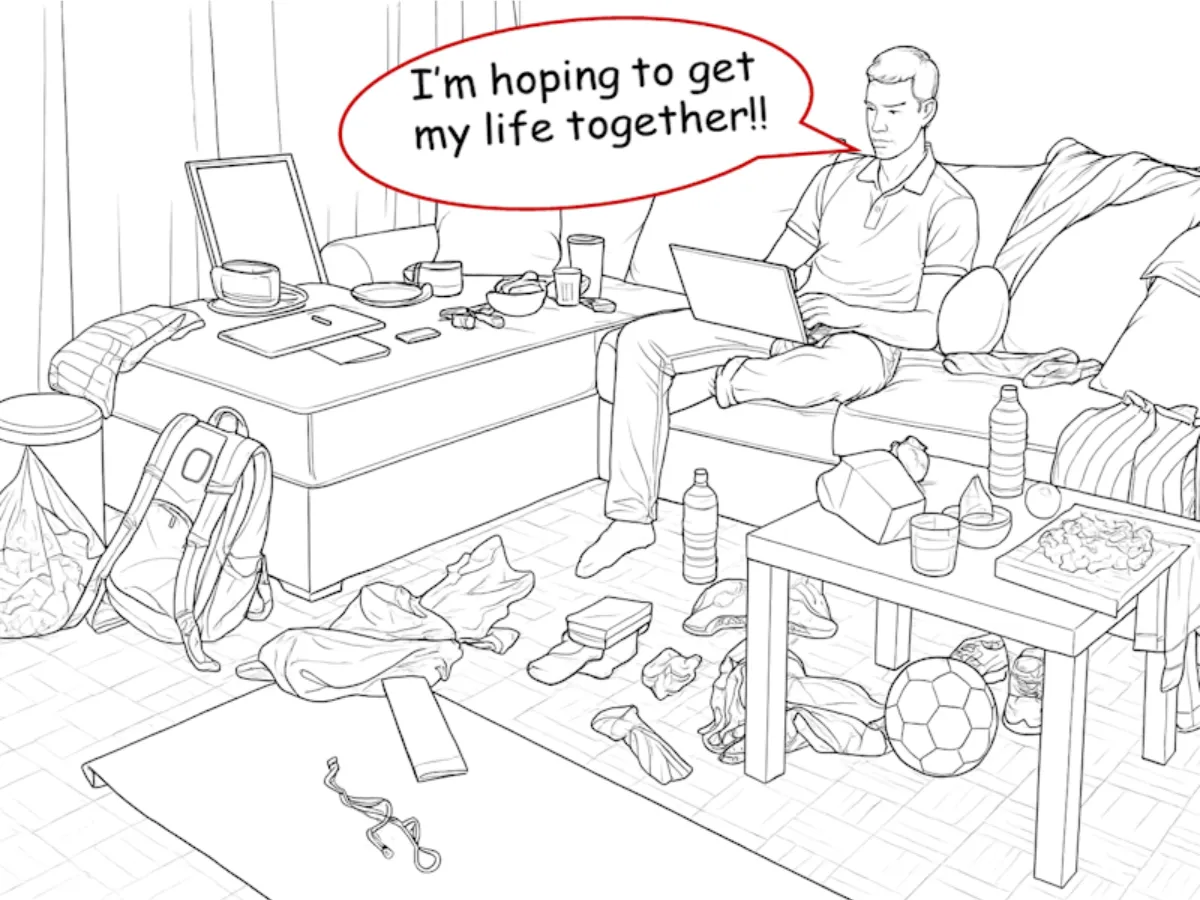
Messy or cluttered living spaces.
Constantly losing items or forgetting commitments.
Poor time management and procrastination on important shared tasks.
Overcommitting without the ability to follow-through.
Avoiding planning conversations or future scheduling (“Let’s just wing it”).
Reacting to challenges after they occur instead of preparing for them.
Over time, these habits create tension and make the relationship feel like it’s always in “catch-up mode.”
How to Deal with Relationship Disorganization
1. In Yourself-Developing Better Organization Habits
If you struggle with staying organized, remember—it’s not about being rigid. It’s about creating small systems that make life easier and relationships smoother.
Best practices include:
Start small and focused: Tackle one area at a time—your desk, your schedule, or your finances.
Use reliable tools such as visual aids: Implement calendars, lists, or digital reminders to build consistency.
Establish simple routines: Daily or weekly rituals reduce decision fatigue and friction.
Prioritize together: Discuss what matters most for both of you before making plans.
Declutter regularly: Physical order often leads to mental calm.
Take responsibility: Acknowledge when disorganization has affected your partner and commit to change.
Becoming organized isn’t about control—it’s about respect: for your time, your partner’s time, and your shared space.
2. In Others-Encouraging Organization Habits in Your Partner
When your partner struggles with organization, patience and collaboration work better than criticism.
Try these approaches:
Communicate, don’t nag: Use “we” language to frame the issue as a shared problem—“Can we figure out a way to stay on top of this?”
Offer tools, not blame: Suggest shared calendars, apps, or routines as teamwork aids.
Acknowledge progress: Small improvements in organization deserve recognition.
Set clear expectations: Agree on what “organized enough” looks like for both.
Balance responsibilities: Divide tasks based on strengths and preferences, instead of fairness or equal distribution alone.
Lead by example: Organization is contagious when modeled calmly.
Helping a partner get organized works best when framed as teamwork and mutual support, not correction.
Final Thoughts on Order and Relationship Security
Being organized in a relationship is about more than tidy spaces—it’s about clarity, dependability, and peace of mind. When both partners bring structure to their shared life, they create a rhythm that leaves room for joy, spontaneity, and deeper connection.
Disorganization can lead to chaos, but organization invites harmony. It clearly communicates, “I value our time, our home, and our future together.”
With a little consistency and mutual support, even the most disorganized couple can build a relationship that feels balanced, intentional, and deeply secure.