
 Romance_Misalign
ROMANCE_VIEW
Romance In Sync: Aligning Love Views to Restore Passion and Intimacy
Romance Compatibility in Relationships: Why Similar Romantic Expectations are Crucial for Emotional Closeness, and How to Bridge the "Romance Gap"
 thelovemaze.com
How aligned beliefs about romance strengthen connection, intimacy, and long-term happiness?
What Is “Romance View” Compatibility and Alignment?
A romance view refers to what love looks like—and feels like—to each partner. Romance view compatibility is the alignment of these expectations, ensuring both partners feel loved, desired, and fulfilled in a natural way.
This view encompasses:
How affection is expressed (e.g., words, gifts, touch).
What romance means day-to-day (e.g., small gestures vs. grand events).
Expectations around emotional closeness and vulnerability.
<How much space do you need in a relationship?>
Beliefs about passion vs. practicality in the relationship.
Need for novelty vs. stability.
When partners have similar romance views, both feel loved in a way that feels natural and fulfilling.
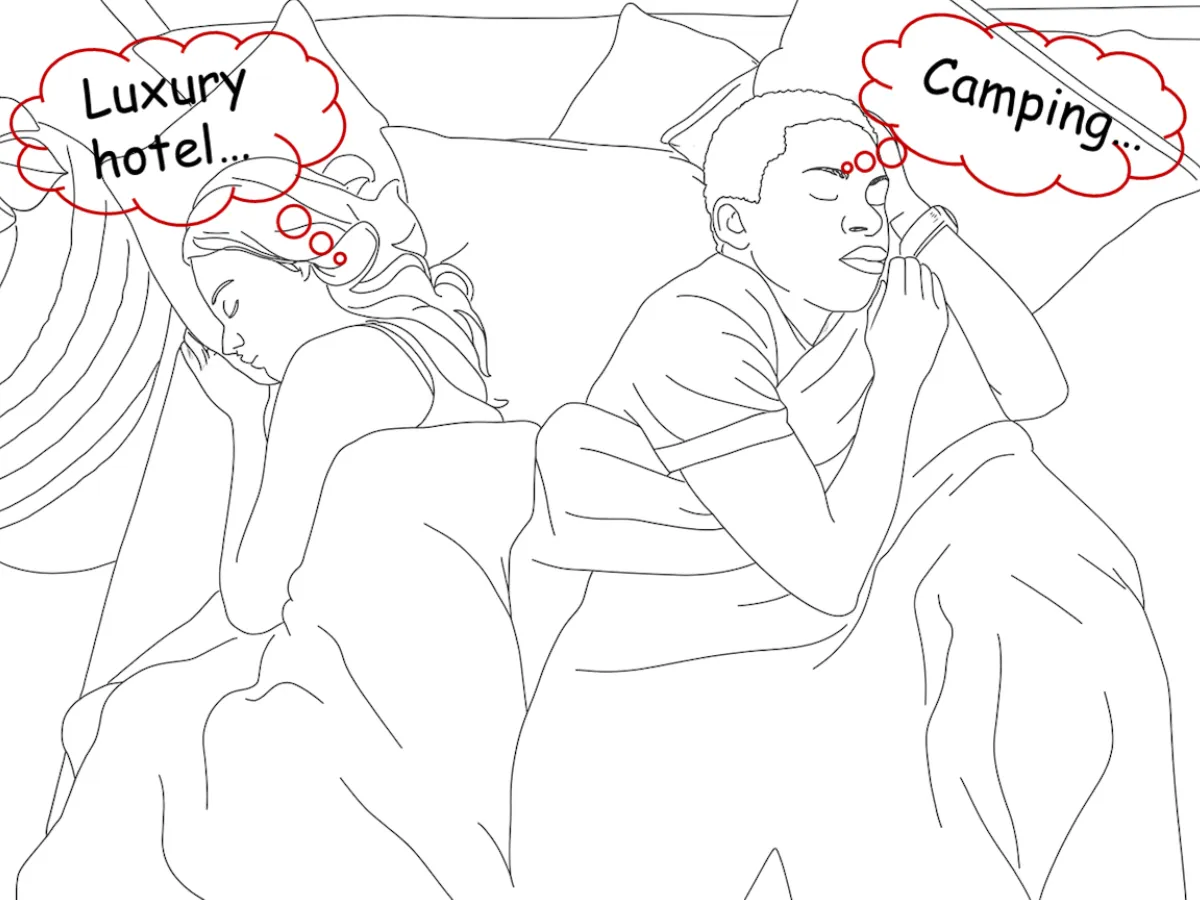
But when romance expectations differ…
One person may crave fireworks — while the other believes a stable, predictable love is sufficient, leading to mismatched expectations.
Why Shared Romantic Expectations Are Crucial for Intimacy
Romance is the engine that keeps love moving past the functional stage. It fuels emotional intimacy and keeps the relationship:
Passionate and Exciting: Preventing it from becoming simply transactional or functional.
Emotionally Bonded and Affectionate: Reinforcing closeness daily.
Resilient: Creating positive connection to buffer stress and life changes.
Playful, Exciting, and Imaginative: Maintaining a sense of adventure and lightness.
When partners understand and honor each other’s romantic needs, the relationship becomes a safe space for expression — not a battleground of disappointment.
The Damage When Romance Views Don’t Align
A lack of romance compatibility or mismatched love languages can cause subtle but profound emotional damage, leading to a deep romance gap:
Feeling Unwanted: One partner feels ignored, unappreciated, or undesirable.
Intimacy Misunderstandings: Confusion around physical affection and emotional closeness.
Loss of Chemistry: The essential spark fades over time due to neglect.
Resentment: Feelings build up due to consistently unmet needs.
Emotional Distance or Detachment: The relationship feels like roommates instead of romantic lovers.
The Common Emotional Wound: “Why can’t you love me the way I need to be loved?”
When partners stop trying to meet these needs, the connection begins to fade.
Typical Behaviors Showing Mismatched Romantic Expectations
These red flags indicate that partners are out of sync in their romantic compatibility:
Indifference: One partner views romance as a burden or unnecessary effort.
Insecurity: Jealousy or insecurity arises when love isn't shown clearly or frequently.
Criticism: Belittling or mocking the partner's attempts at romantic gestures.
Lack of Initiative: Always waiting for the other person to spark connection or passion.
Intimacy Avoidance: One pushes for constant passion; the other avoids emotional or physical intimacy.
Obligation: Anniversaries and date nights feel like chores, not celebration.
Disagreements: Conflict over physical affection style, frequency, or quality.
These patterns often come from past relationships trauma, cultural background, or unspoken love languages.
How to Improve Romance Compatibility
1. In Yourself - Strengthening Romantic Expression
No matter your natural style, Romance is a skill built through intentional effort and vulnerability:
✨ Identify your own romantic needs: Clearly articulate what makes you feel desired and valued.
✨ Learn your love language (and your partner’s): Physical touch? Words of affirmation? Quality time? Speak it consistently.
✨ Practice small, consistent affection: Romance lives in everyday gestures (a note, a touch), not just grand moments.
✨ Embrace vulnerability: Share fantasies, emotional desires, and hopes for your intimate connection.
✨ Prioritize passion: Schedule date nights, surprises, and flirty energy to keep the spark alive.
Romance thrives when both partners choose to be intentional.
2. In Others - Bridging the Romance Gap with Your Partner
Healthy partnership means meeting in the middle and making a mutual effort to bridge the romance gap.
✅ Communicate desires without blame: Use "I feel..." statements instead of accusatory "You never..." language.
✅ Create shared rituals of romance: Establish consistent habits (weekly date night, morning appreciation, bedtime cuddles, daily appreciation).
✅ Learn each other’s background: Ask: How did your family show love? Understanding context breeds empathy.
✅ Celebrate efforts: Use positive reinforcement to encourage more romantic initiative.
✅ Seek professional guidance if wounds run deep: If intimacy challenges stem from fear of closeness, trauma, or deep-seated resentment, couples therapy can provide tools for repair.
When both partners feel safe to express and receive love, passion flows naturally.
Final Thoughts: Romance Is a Language Couples Must Learn Together
Relationships succeed when both people continually choose love and nurture it intentionally — not just feel it.
Couples with aligned romance views:
Stay affectionate throughout the years.
Maintain emotional closeness even during stress.
Navigate conflict with warmth and security.
Restore passion and intimacy when it fades.
Build a bond others admire.
Romance isn’t luck.
It’s a shared belief in nurturing love intentionally.
The strongest relationships have partners who don’t guess — they ask, learn, and show love the way each other needs.