
 Positive parenting
POSITIVE_PARENTING
Parenting: Strategies for Teamwork, Stability, and Strong Family Bonds
Positive Parenting in Relationships: Why a Nurturing Approach is Crucial for Family Health, Avoiding Conflict, and Raising Emotionally Secure Children
 thelovemaze.com
What Is Positive Parenting and Nurturing Parenting Styles?
Positive parenting is a parenting philosophy focused on building a strong emotional connection, guiding children with respect, and encouraging growth through support — not fear or harsh punishment.
It’s a nurturing parenting style that benefits every member of the family.
Positive parenting strategies include:
Clear and consistent boundaries and structure.
<Gauge your organization skill>
Empathy and active listening to validate feelings.
<How well do you listen?>
Using guidance and teaching instead of harsh discipline.
Teaching accountability, not shame or fear.
<What does it take to be accountable?>
Modeling emotional regulation and kindness.
<How well do you control your emotions?>
Encouraging independence and confidence in children.
<What does it take to be independent?>
It’s fundamentally about raising children who feel safe, loved, and understood.
Why Positive Parenting Is Important for Partnership Stability
Parenting isn’t only about parent–child interactions; it directly affects the relationship stability and quality between partners. Couples who commit to positive parenting often experience:
Better Teamwork and Communication: A unified approach reduces friction.
Lower Stress: Fewer conflicts around discipline and routines.
A more loving and supportive home environment: A sense of warmth and security for everyone.
Shared Values: Common goals around child-rearing deepen the relationship.
Thriving Children: Kids who develop emotional and social competence.
When you parent with love and partnership, your relationship naturally becomes the strong foundation that children learn from and look up to.
The Impact of Negative or Inconsistent Parenting
Negative or inconsistent parenting creates immense strain on both the couple and the children.
Without positive parenting, the family system suffers:
Conflict Increases: Constant arguments around rules, routines, and discipline.
Child Challenges: Children may develop behavioral or emotional difficulties (e.g., aggression, insecurity, poor self-worth).
Parents Exhaustion: Feeling overwhelmed and burnt out
Partner Strain: Partners may feel unsupported or resentful.
Breakdown of Trust: Inconsistent parenting erodes teamwork and reliance.
Children exposed to negative parenting may grow up internalizing harmful beliefs, such as:
"Love must be earned, mistakes make you unlovable, or emotions are dangerous."
These beliefs can carry into their own adulthood and future relationships, profoundly affecting their entire life.
Typical Behaviors That Reflect Low Positive Parenting
These patterns signal that parenting habits need immediate improvement:
Harsh punishment or yelling as the primary mode of discipline.
Inconsistency between parents, leading to confusion and manipulation.
Ignoring or mocking a child’s feelings or vulnerability.
Overcontrol or 'helicopter' parenting that stifles independence.
Lack of structure, clarity, or boundaries (permissive parenting).
Shame-based communication: Using phrases like "What's wrong with you?"
Neglecting emotional connection or quality time.
These behaviors often stem from deep stress, exhaustion, or the unfortunate act of repeating generational patterns learned in childhood.
How to Develop Positive Parenting Strategies
1.In Yourself -
You don't need perfection, just consistent growth. Start building positive parenting skills here:
Build Emotional Awareness: Model calm over chaos by taking a pause before reacting.
Use Connection Before Correction: Always validate the feeling even when you correct the behavior.
Establish shared routines and expectations: Predictability and clear expectations build trust and confidence in children.
Focus on teaching, not controlling: Empower children to problem-solve and learn naturally from mistakes, rather than controlling outcomes.
Offer praise and positive reinforcement: Celebrate effort, curiosity, and kindness, not just results.
Seek Support: Utilize parenting classes, therapy, or community groups to gain knowledge and tools.
Small, consistent shifts bring big changes over time in family dynamics.
2. In Others - Supporting Partner
Teamwork in Parenting
Approach your partner's struggles with teamwork and empathy, not accusation or competition.
Discuss Parenting Values Together: Before problems arise, create a unified approach rather than competing styles.
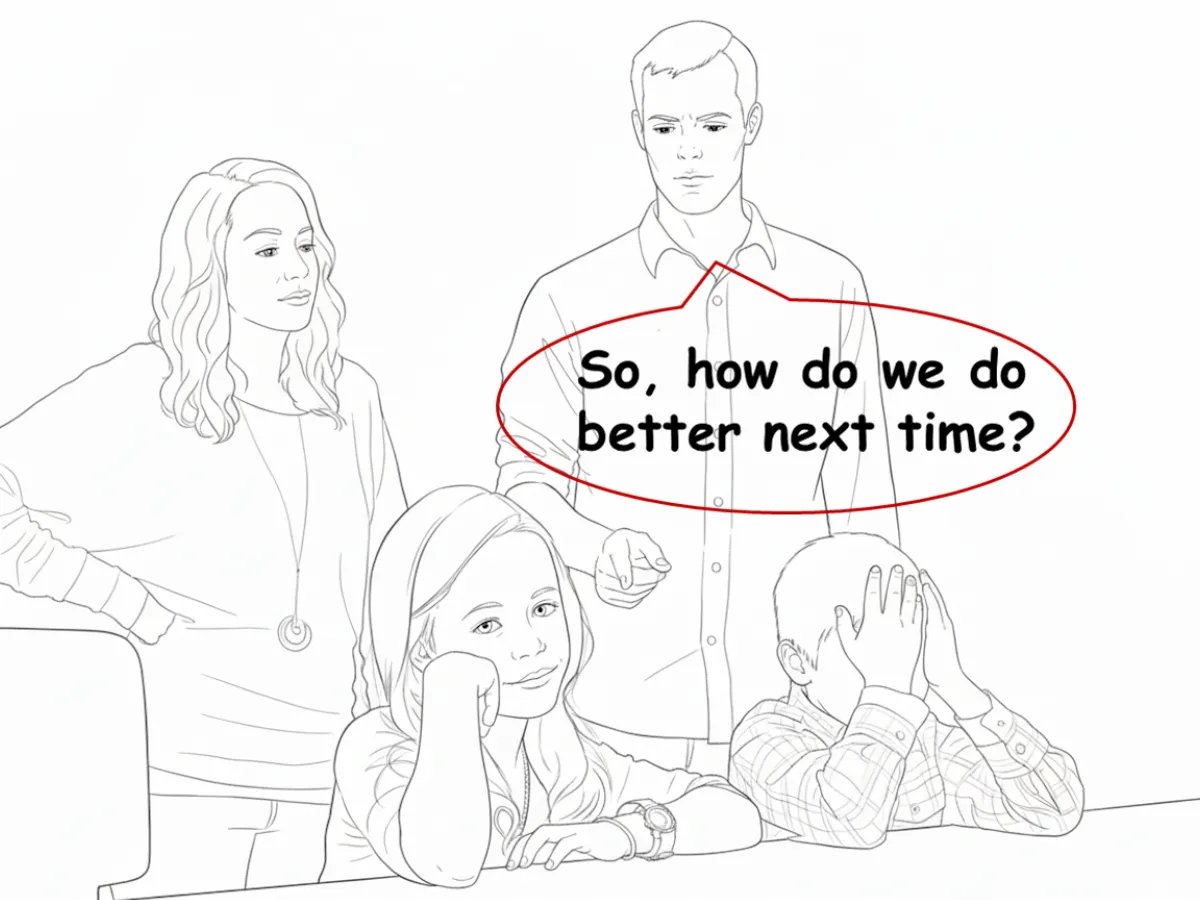
Encourage reflection, not blame: Ask thoughtful questions: "What do you think would help them feel more supported next time?"
Share Strategies and Resources: Learn together as a team through books, videos, or workshops.
Model the Behavior: Your consistency and calmness will positively influence your partner's response.
Praise the Positives: Reinforce their growth and effort—just like you do with the kids.
If deeper personal wounds are influencing their parenting behavior, counseling or therapy is an essential step to help break those generational cycles.
Final Thoughts: Positive Parenting Strengthens Every Relationship in the Home
Children raised with nurturing parenting styles are more likely to:
Trust themselves and others deeply.
Communicate openly and effectively.
Build healthy relationships in their future.
Grow into emotionally secure adults.
And couples who parent positively feel more unified, respected, and connected — their love becomes the safe, emotional home their children grow up in.
Positive parenting doesn’t just raise good kids.
It nurtures strong families and lifelong love.