
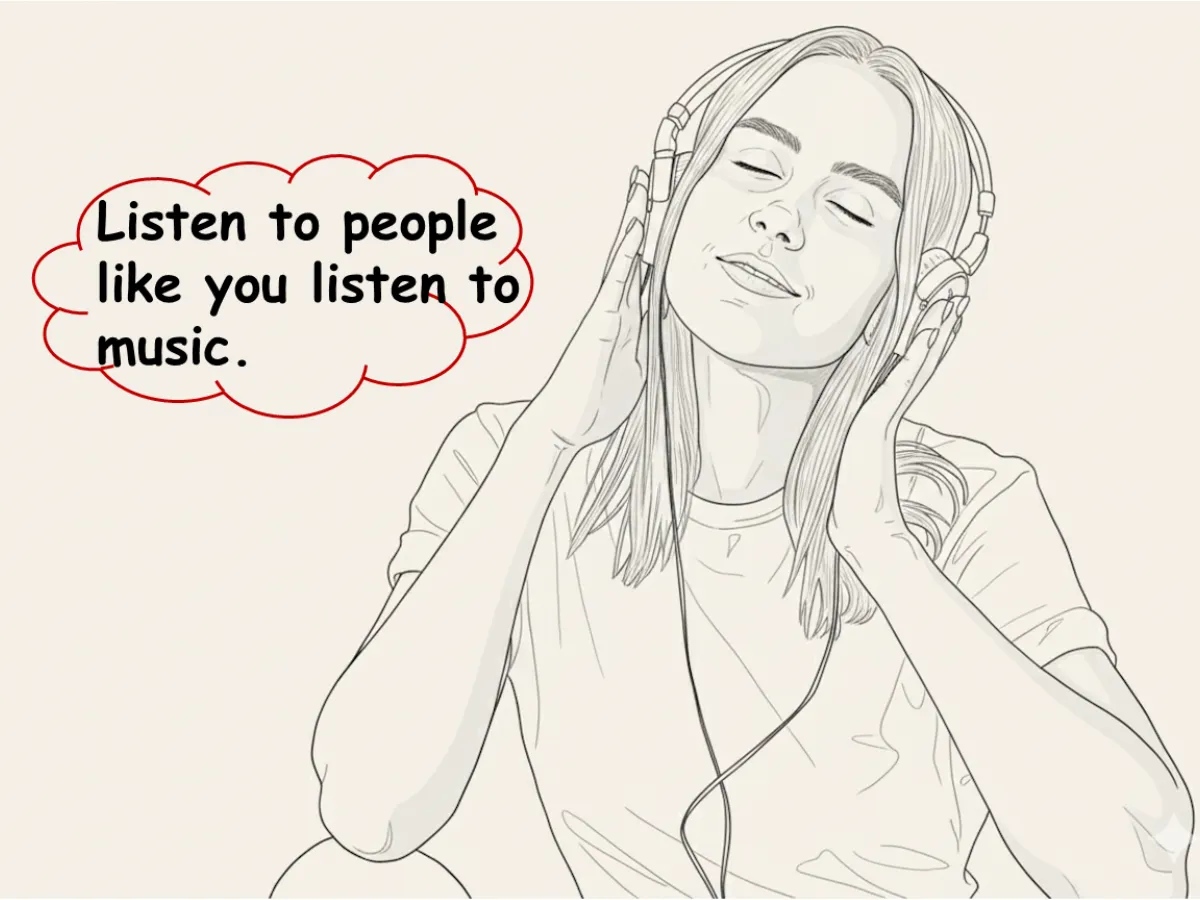
 Attentive listening
LISTENING
Listening: A Core Communication Skill for Deeper Love and Trust
The Power of Active Listening in Relationships: Why True Listening Builds Emotional Connection, Prevents Conflict, and Strengthens Vulnerability and Understanding
 thelovemaze.com
What Does It Mean to Practice Active Listening?
Active listening is more than just hearing the words your partner says — it’s being present, attentive, and open to understanding their thoughts, emotions, and underlying intentions.
True listening involves focusing on your partner without judgment, distraction, or the urge to respond right away. It’s fundamentally about connecting with their feelings, not just their message.
In relationships, active listening looks like:
Full Presence: Eliminating distractions (like phones) and giving complete attention.
Empathy: Showing acknowledgment through eye contact and gentle verbal cues.
Reflecting Back: Paraphrasing what you heard to ensure understanding ("So, what I hear you saying is...").
Seeking Clarity: Asking questions to understand before attempting to fix or defend.
When both partners feel heard in a relationship, trust grows stronger, love deepens, and conflict softens.
Why Active Listening Is Essential Communication for Couples
Listening is the engine of emotional intimacy. It communicates the vital message, “You matter. Your feelings are valid.” Without this validation, even the most loving intentions can feel disconnected.
Good listening is crucial for lasting relationships:
Builds Trust: Feeling heard is the core of emotional safety.
Prevents Misunderstandings: Active listening eliminates assumptions and miscommunication.
Strengthens Emotional Connection: It fosters empathy and compassion, the bedrock of intimacy.
De-escalates Conflict: Listening helps both individuals feel respected, defusing tension.
Encourages Vulnerability: Partners open up more when they know they will be understood, not judged.
Listening transforms everyday conversation into powerful moments of bonding. It’s not just a skill — it’s an act of love.
The Damaging Impact of Poor Listening
When the skill of active listening fades, frustration and emotional distance take root. Poor listening makes partners feel invisible, dismissed, or unimportant—feelings that slowly and persistently erode the foundation of trust.
Common consequences of a lack of communication skills for couples:
Frequent Arguments: Misunderstandings multiply when people talk over each other.
Emotional Disconnection and Withdrawal: The unheard partner stops sharing thoughts and erects emotional walls.
Resentment: Building up from the sense that one’s voice and needs do not matter.
Breakdown of Intimacy: Emotional detachment inevitably causes physical closeness to decline.
Loss of Trust: When words go ignored, promises start to feel empty.
Over time, partners start to feel like roommates rather than a team — existing together, but not truly connecting.
Typical Behaviors That Reflect a Lack of True Listening
You might not even realize when listening breaks down. Poor listening often manifests in subtle, yet emotionally powerful ways.
Typical behaviors that tell your partner “What you’re saying doesn’t matter”:
Interrupting or finishing the partner’s sentences.
"Faking" Attention: Zoning out or multitasking during conversation.
Defensiveness: Thinking about your rebuttal instead of their words.
Dismissing Feelings: Using phrases like "you’re overreacting" or "it's not a big deal."
Deflecting: Turning the conversation back to your own experiences or complaints.
Judgment: Using sarcasm or criticism instead of empathy.
Avoiding deeper topics because they feel uncomfortable.
Over time, they stop talking altogether — and emotional intimacy fades.
How to Build Active Listening Skills
1.In Yourself - Practice Intentionally
Good listening starts with self-awareness and intentional practice. You can’t change your partner’s habits, but you can model healthy communication that inspires change.
Ways to strengthen your active listening in relationships:
Be Fully Present: Eliminate distractions and commit to giving your partner your undivided focus.
Listen to Understand, Not Respond: Consciously resist the urge to plan your response while they are speaking.
Reflect and Validate: Use phrases like "That sounds incredibly frustrating" or "If I understand correctly, you feel X because of Y."
Manage Reactions: Take a breath before responding, especially when triggered.
Ask Questions: Invite your partner to share more instead of shutting down.
Notice Body Language: Lean in, maintain eye contact, and nod to show you are engaged.
When you listen with presence and empathy, your partner feels seen — and love grows naturally from that validation.
2. In Others - Encourage Better Listening in Your Partner
Helping your partner listen better requires gentleness, not blame. When you criticize their listening, they’re likely to tune out even more.
Ways to encourage better listening using communication skills for couples:
Model the Behavior: Lead by example. Show calm, focused active listening when they speak to you.
Express Needs Clearly: Use "I" statements: "I need to feel heard right now, so can you put down your phone for five minutes?" instead of “You never listen.”
Create the Right Context: Find the right time and space. Have serious talks when both of you are relaxed and attentive.
Acknowledge Effort: Offer positive reinforcement when they do listen well, building consistency.
Stay Patient: Real listening is a skill that takes time and awareness to develop.
Mutual listening strengthens trust, transforming communication from a competition into genuine connection.
Final Thoughts
Listening is one of the most underrated but powerful expressions of love. It’s not about agreeing or fixing — it’s about understanding.
When you and your partner truly listen to each other, misunderstandings fade, empathy grows, and your bond deepens. The best relationships aren’t built on constant talking — they’re built on feeling heard.
Because in the end, love begins not with words, but with listening.