
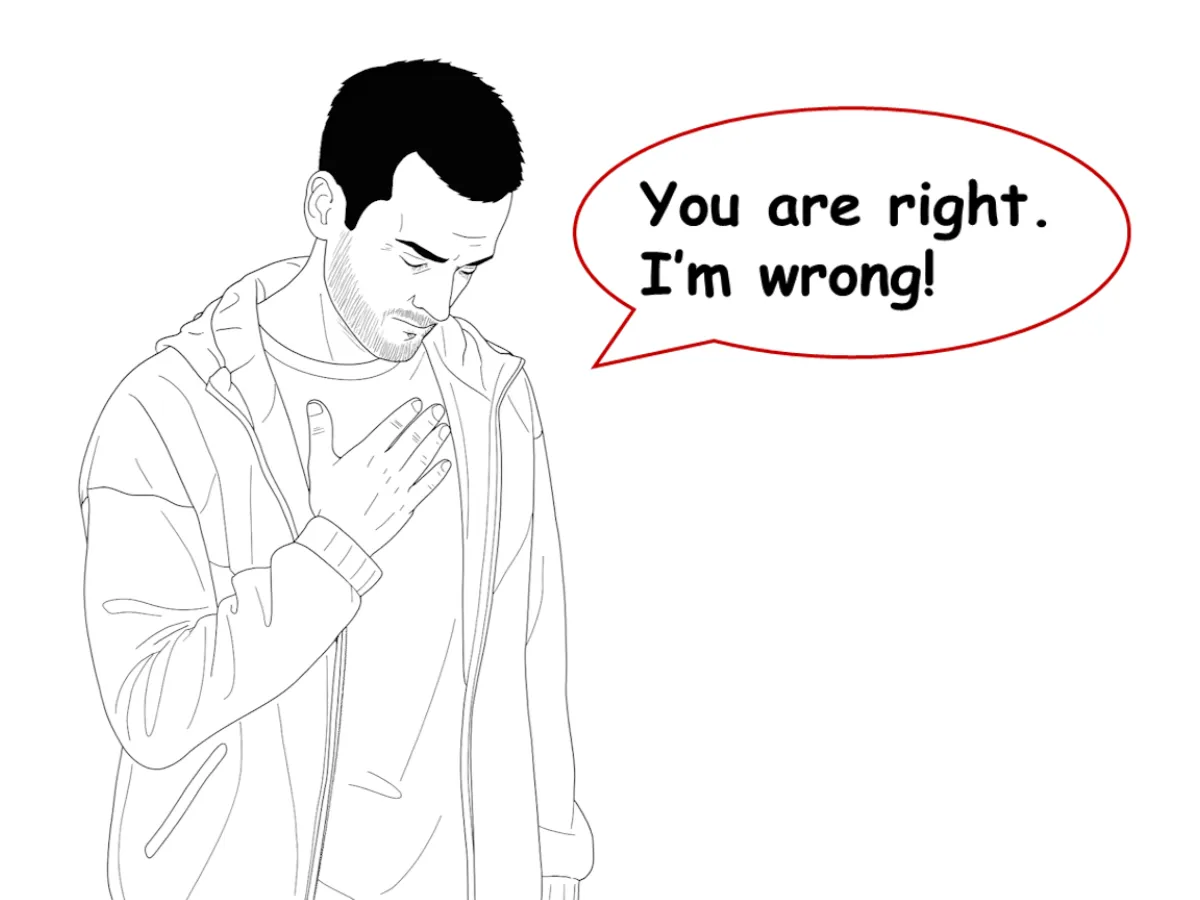
 Humility
HUMBLE
Humility: The Key to Mutual Respect, Easy Talk, and Lasting Love
Humility in Relationships: Why Humbleness Strengthens Love, The Impact of Pride and Ego, and Practical Ways to Cultivate Emotional Safety and Growth
 thelovemaze.com
What Is Humility and Emotional Safety in a Relationship?
Being humble in a relationship isn’t about lowering yourself or dismissing your strengths. It’s about having the confidence to acknowledge your imperfections while respecting your partner’s thoughts, needs, and experiences.
A humble person listens openly, admits mistakes, and remains willing to grow.
Humility creates emotional safety in a relationship by:
Valuing your partner’s perspective, even when you disagree.
Taking responsibility for your words and actions.
Apologizing sincerely and without excuses.
Letting go of always needing to be right (reducing ego in relationships).
Giving credit and expressing genuine appreciation.
Being willing to learn and evolve together.
When humility is present, love feels safer, communication becomes clearer, and emotional closeness deepens. It transforms conflict from "me versus you" into "us versus the problem."
Why Humility Is Important for Mutual Respect and Intimacy
Humility allows a relationship to expand rather than shrink under the weight of ego. When partners feel respected and heard, trust grows strong and conflict becomes productive instead of destructive.
Here’s why humbleness matters for lasting love:
Strengthens communication: Both partners feel safe expressing thoughts honestly without fear of defensiveness.
Encourages problem resolution: The focus shifts to solutions, not assigning blame or validating ego.
Deepens emotional intimacy: Mutual vulnerability and honesty become the foundation of connection.
Builds mutual respect: Appreciation replaces assumptions, elevating the sense of dignity between partners.
<How well do you show respect?>
Reduces conflict: Ego-driven arguments lose their power when one partner chooses humility.
Creates a stronger foundation: The relationship functions as an effective team effort.
Humility is the essential bridge that keeps love connected, especially during challenging times.
Damages and Impact Due to Pride and Lack of Humility
When pride dominates a relationship, love becomes conditional and fragile. One partner may feel dismissed, misunderstood, or constantly at fault, leading to significant emotional damage.
Without humility, relationships experience:
Frequent arguments fueled by defensiveness and the need to be right.
Emotional distance and severe trust issues.
Inability to resolve recurring problems constructively.
Resentment from always needing to prove one's worth.
Power struggles instead of cooperation and collaboration.
Lack of accountability when emotional or physical harm is caused.
Over time, a lack of humility can turn love into a tiring competition — a scenario where both partners ultimately lose emotional closeness.
Typical Behaviors That Reflect Low Humility
Low humility shows up in communication patterns, emotional reactions, and how someone treats their partner’s feelings. These behaviors often stem from insecurity masked by pride.
Common signs of pride and low humility include:
Interrupting or constantly talking over the other person.
Refusing to apologize or admit mistakes, even small ones.
Always needing to “win” arguments at the expense of connection.
Believing their opinion matters more or is inherently superior.
Blaming the partner instead of taking personal responsibility.
Ignoring feedback or getting defensive quickly.
Rarely acknowledging the partner’s efforts or contributions.
These behaviors chip away at emotional safety and intimacy.
How to Build and Maintain Humility in Relationships
1. In Yourself-Cultivating Humbleness and Self-Awareness
Humility starts with self-awareness and the willingness to grow. It’s a conscious choice to prioritize connection over ego.
Ways to strengthen personal humility:
Pause and Listen: Listen to understand, not simply to respond or refute.
Apologize sincerely: Say sorry without excuses, focusing on the impact of your actions.
Reflect on feedback rather than reject it: Treat criticism as a chance for growth rather than a personal attack.
Practice gratitude: Acknowledge your partner’s strengths and contributions frequently.
Accept imperfections — both theirs and yours: Choose self-acceptance over the need for perfection.
Choose collaboration instead of control: Focus on finding solutions together instead of trying to control outcomes.
Stay curious instead of assuming you know best.
Humility doesn’t weaken you — it makes the relationship much stronger and more resilient.
2. In Others-Encouraging Mutual Humility in Your Partner
Supporting humility isn’t about criticizing their pride; it’s about modeling the behavior you hope to see and creating a safe space for vulnerability..
Ways to foster mutual humility:
Express your feelings gently and specifically: Use "I" statements to share impact without blame.
Appreciate Vulnerability: Acknowledge and value moments when they show openness or admit an error.
Create Equal Space: Ensure there is time and safety for both voices to be heard equally.
Offer Feedback with Kindness: Prioritize compassion over contempt.
Normalize apologies and accountability: Regularly discuss apologies and ownership as normal parts of relationship growth.
Celebrate teamwork instead of competition: Focus on shared success rather than individual victory.
When both partners feel safe learning from each other, humility becomes a shared relationship value.
Final Thoughts on Ego and Lasting Connection
Humility is one of the most powerful — and underrated — relationship strengths. It allows lasting love to thrive without the fear, pride, or destructive power struggles that plague many partnerships.
When two people commit to listening, learning, and growing together, they build a partnership rooted in mutual respect and lasting connection.
Healthy relationships are not built on perfection — they’re built on humility, compassion, and the willingness to evolve.
Because a humble heart always makes space for deeper love.