
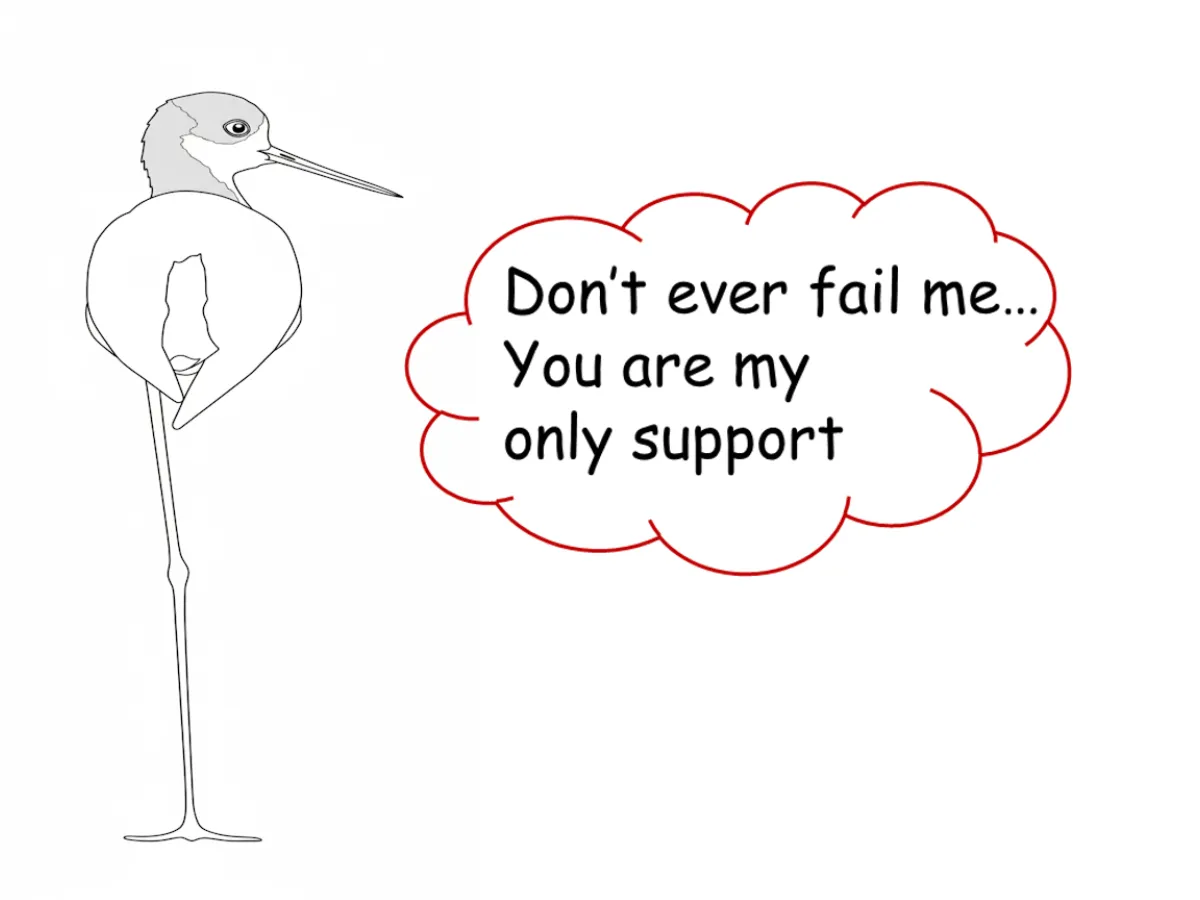
 Lack of sociability-single support
SOCIABLE
How Social Connection and Shared Life Strengthen Love and Support
Sociability in Relationships: The Power of Social Skills, Overcoming Isolation, and Strategies to Build Confidence and Shared Experiences
 thelovemaze.com
What Is Sociability and Social Engagement in a Partnership?
Relationships don’t exist in a vacuum. They grow through connection — not just between two people but also through the world they share. Being sociable is the ability to comfortably interact with others, build friendships, communicate well, and engage in shared experiences. It’s more than being outgoing; it’s about creating space for joy, support networks, and a thriving shared life.
When partners are sociable, they bring vibrancy and a sense of belonging to the relationship. Shared experiences — dinners with friends, community activities, family gatherings — give couples memories and deeper emotional roots.
In romantic partnerships, sociability fuels fun, growth, and togetherness.
Why Social Connection Is Important for a Healthy Relationship Support System
A sociable partner opens doors — socially, emotionally, and experientially.
Strong social skills and active social engagement help couples:
Build a Healthy Support System: Providing reliable resources outside the relationship.
Improve Communication and Emotional Expression: Practice interacting effectively in diverse settings.
<Gauge your communication caliber>
Deepen Connection: Form stronger bonds through shared activities and laughter.
Reduce Isolation: Prevent feelings of dependency and social isolation.
Maintain Balance: Ensure the relationship isn't the sole source of emotional fulfillment.
When both partners are comfortable engaging socially, life feels richer. You experience more laughter, new ideas, spontaneous adventures, and opportunities to grow closer.
Sociability creates a life worth sharing.
The Damaging Impact of Low Social Engagement
When sociability is lacking, the relationship can become too small — almost suffocating. One or both partners may begin to feel bored, isolated, or resentful. A partner who avoids social engagement may unintentionally communicate disinterest in life outside the home, which can lead to:
Social Isolation and Loneliness: Cutting the couple off from community vitality.
Increased Pressure: The expectation that the partner fulfills all emotional needs.
Reduced Support: Lack of a strong community support system during crisis or hard times.
Difficulty forming bonds with the partner’s friends or family.
Growing differences in lifestyle and energy.
Over time, the relationship can feel stagnant rather than expansive. The couple may lose excitement, connection, and shared discovery — key ingredients that keep love alive.
Signs and Behaviors Reflecting Low Social Skills
Low sociability can show up in subtle patterns that indicate discomfort or anxiety with social connection.
Common signs of low social engagement include:
Avoiding social events or habitually declining invitations.
Showing visible discomfort or awkwardness in conversation or group settings.
Relying exclusively on the partner for all emotional and social fulfillment.
Getting anxious or irritated around new people (social anxiety).
Preferring strict routine and solitude over spontaneous shared experiences.
Not showing genuine interest in the partner’s friends or loved ones.
These behaviors aren’t flaws — they may be rooted in introversion, social anxiety, or past negative experiences. But without awareness, they can strain a relationship.
How to Improve Sociability and Overcome Social Anxiety
1. In Yourself-Strengthening Social Confidence
Becoming more sociable isn’t about changing your personality — it’s about expanding comfort and confidence through small, consistent steps.
Ways to improve sociability:
Start Small: Begin with low-pressure engagements—short gatherings or one-on-one hangouts.
Practice Listening: Show curiosity about others and ask relevant questions (active listening).
Join Shared Activities: Participate with your partner to build positive social experiences.
Address Fears: Work on managing social anxiety or insecurities through self-reflection, therapy, or social coaching.
Celebrate Progress: Acknowledge small wins instead of pushing for social perfection.
Sociability grows through real-world experiences — the more you practice, the easier it becomes.
2. In Others-Supporting a Partner's Social Engagement
If your partner is struggling with sociability, compassion and understanding are key. Encourage — don’t pressure. It’s important to balance social life with your partner’s comfort.
Ways to encourage social engagement:
Offer Flexible Invitations: Suggest social outings with an easy "out" or a time limit.
Set Shared Goals: Agree to attend one event or try one new social activity per month.
Create Safety: Start with small, trusted groups or couple friends.
Model Confidence: Demonstrate healthy social skills by maintaining your own friendships.
Respect Boundaries: Honor their limits while still ensuring you fulfill your need for social connection.
Healthy relationships honor individual differences while still actively investing in shared life and support.
Final Thoughts: Sociability Breathes Life into Love
Sociability isn't about being the life of the party—it’s about showing up for life together.
Every couple has a unique rhythm of social engagement. Some thrive in lively groups; others enjoy deeper conversations with a few close friends. What matters most is active participation in shared life.
When partners support each other in building social confidence and expanding their world, the relationship grows stronger, more joyful, and more resilient through a robust relationship support system..
Sociability breathes life into love.