
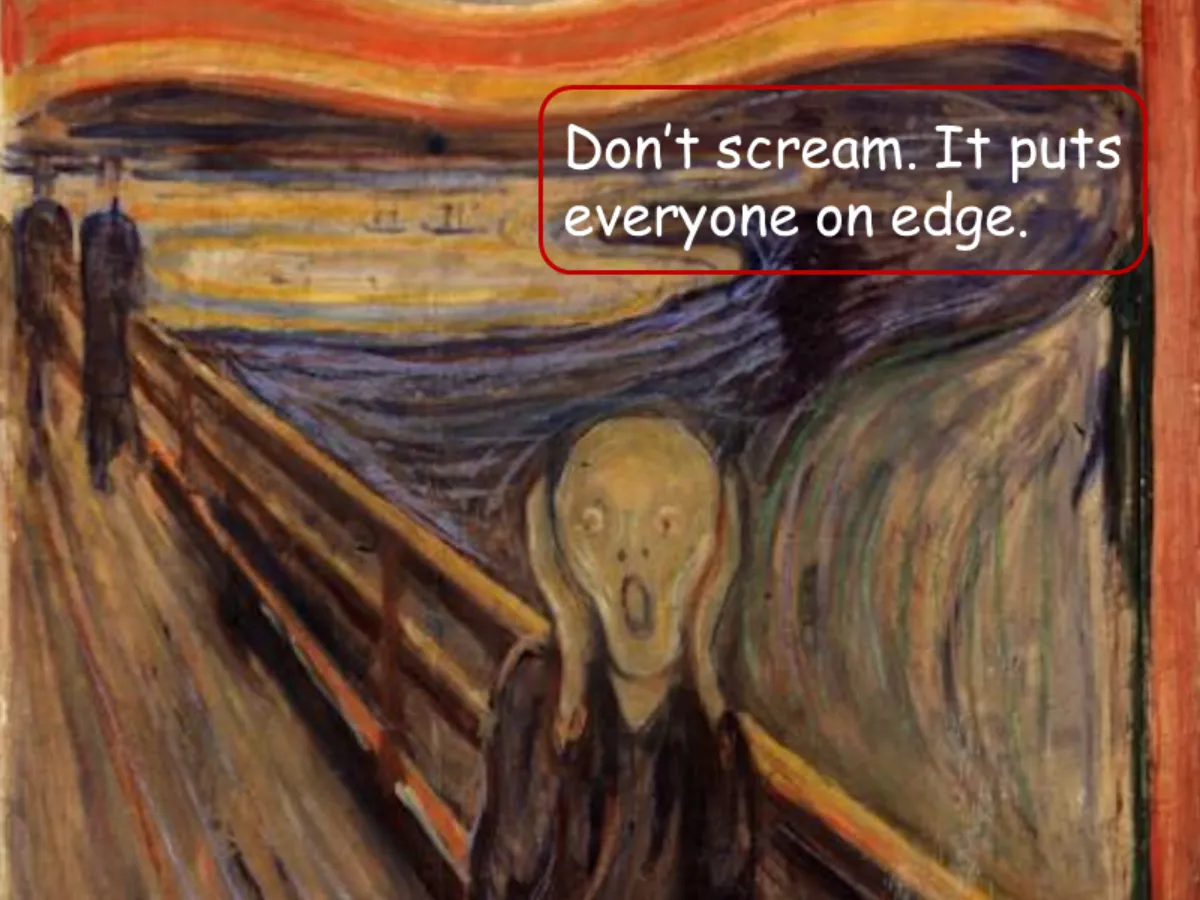
 Emotional Stability-No Scream
EMOTIONAL_STABILITY
Emotional Stability in Relationships: The Foundation of Trust, Calm, and Lasting Love
Why Emotional Regulation is Crucial, The Dangers of Emotional Reactivity, and Practical Ways to Cultivate Emotional Maturity
 thelovemaze.com
What Is Emotional Stability and Emotional Regulation?
Emotional stability is the ability to stay calm, balanced, and grounded—even when faced with stress, disagreement, or disappointment. It doesn’t mean never feeling upset; it means being able to manage emotions thoughtfully instead of being controlled by them. This process is called emotional regulation.
A person who is emotionally stable can handle relationship ups and downs without extreme reactions. They don’t let temporary emotions dictate permanent decisions, and they recover from emotional triggers with self-awareness and maturity.
In essence, emotional stability is the quiet confidence that says: “No matter what happens, I can handle it—and we can handle it together.”
Why Emotional Stability Is Important for a Healthy Relationship
Relationships are emotional by nature. Love brings vulnerability, and vulnerability brings risk. Without emotional stability, even small misunderstandings can feel threatening. Stability acts as a reliable anchor that keeps both partners safe when emotions rise.
Here’s why emotional balance is essential for healthy relationships:
Creates Emotional Safety: Partners feel secure when emotions are expressed calmly, not explosively or manipulatively.
Prevents Conflict Escalation: Stability helps de-escalate conflicts before they spiral out of control.
Builds Trust and Dependability: Consistent emotional responses make relationships predictable and dependable.
Encourages Open Communication: It’s easier to speak honestly when reactions are measured and non-judgmental.
Promotes Mutual Growth: Emotionally balanced couples can focus on solutions, not blame.
When both partners bring emotional steadiness, love becomes a space of peace, not tension.
Damages and Impact Due to a Lack of Emotional Stability (Reactivity)
A lack of emotional stability can quietly undermine even strong relationships. Constant emotional turbulence makes love feel unsafe, unpredictable, and ultimately exhausting.
Common consequences of emotional reactivity or instability include:
Frequent arguments or emotional outbursts.
The "walking on eggshells" dynamic to avoid triggering reactions.
Loss of trust or emotional closeness.
Difficulty resolving issues constructively, leading to stagnation.
Feeling drained, anxious, or perpetually disconnected.
Overdependence or avoidance patterns forming between partners.
Emotional instability doesn’t just create chaos—it prevents emotional intimacy. When one or both partners can’t regulate emotions, the relationship becomes about survival, not genuine connection.
Typical Behaviors of Emotional Reactivity and Instability
Emotional instability often shows up in specific, repeating patterns, especially under stress. Recognizing these reactive behaviors is key to addressing the underlying issue.
Common signs of emotional reactivity include:
Overreacting to small disagreements or minor slights.
Shifting moods quickly and unpredictably.
Using guilt, anger, or withdrawal to manipulate or get reassurance.
Overanalyzing simple situations.
Catastrophizing or instantly assuming the worst possible scenario.
Difficulty apologizing or taking accountability for emotional actions.
Needing constant validation or reassurance from the partner.
Holding grudges or bringing up past conflicts to win a present argument.
Making impulsive decisions (e.g., threating to leave) based solely on emotion.
These behaviors can make partners feel overwhelmed and unsure of where they stand. Over time, that unpredictability erodes safety and respect.
How to Deal with a Lack of Emotional Stability
1. In Yourself-Building Emotional Regulation
<How well can you control your emotions?>
Building emotional stability starts with self-awareness and self-regulation. It’s not about suppressing feelings—it’s about learning to navigate feelings with clarity.
Practical steps for emotional maturity:
Pause before reacting: Implement the "wait-and-breathe" technique when emotions are high.
Identify triggers: Notice patterns—what situations make you lose calm or balance?
Label emotions accurately: Saying “I feel hurt/scared/sad” instead of “You don’t care” reduces defensiveness.
Practice mindfulness: Consistent grounding exercises, meditation, or journaling improve emotional control.
Work on self-soothing: Develop healthy habits that calm your nervous system—like a walk, music, or deep breathing.
Seek support if needed: Therapy or emotional skills coaching can help regulate deep-rooted responses.
Emotional stability doesn’t mean never feeling strong emotions—it means managing them with maturity and compassion.
2. In Others-Supporting Emotional Balance
If your partner struggles with emotional instability, your role is not to fix them—but to create an environment where calm communication can exist, not to "fix" them.
Effective approaches for handling emotional volatility:
Stay composed: Don’t mirror their emotional intensity. Your calmness can stabilize the moment.
Listen without judgment: Instability often comes from feeling unheard or unsafe.
<Do you make people feel heard?>
Set clear boundaries: Respectful communication must be mutual; do not tolerate verbal abuse or personal attacks.
Encourage self-reflection: Ask gentle, non-confrontational questions about their coping mechanisms, such as “What usually helps you when you feel overwhelmed?”
Avoid escalation: If things get heated, take a time-out instead of engaging in the moment.
Reinforce positive behavior: Acknowledge and appreciate moments when they handle emotions well—it builds momentum.
Patience and empathy are powerful tools, but long-term emotional stability also requires accountability. Both partners must commit to managing emotions responsibly.
Final Thoughts on Trust and Emotional Security
Emotional stability is the heartbeat of a healthy relationship. It allows love to flourish without fear, and disagreements to unfold without destruction.
A stable partner doesn’t avoid emotions—they embrace them with balance, self-awareness, and respect. Together, emotionally stable couples build trust, communicate honestly, and create a relationship that feels both peaceful and strong.
If emotional volatility has been a pattern, remember: stability is a skill you can build. And with time, awareness, and effort, it can transform not only your relationship—but your entire emotional world.