
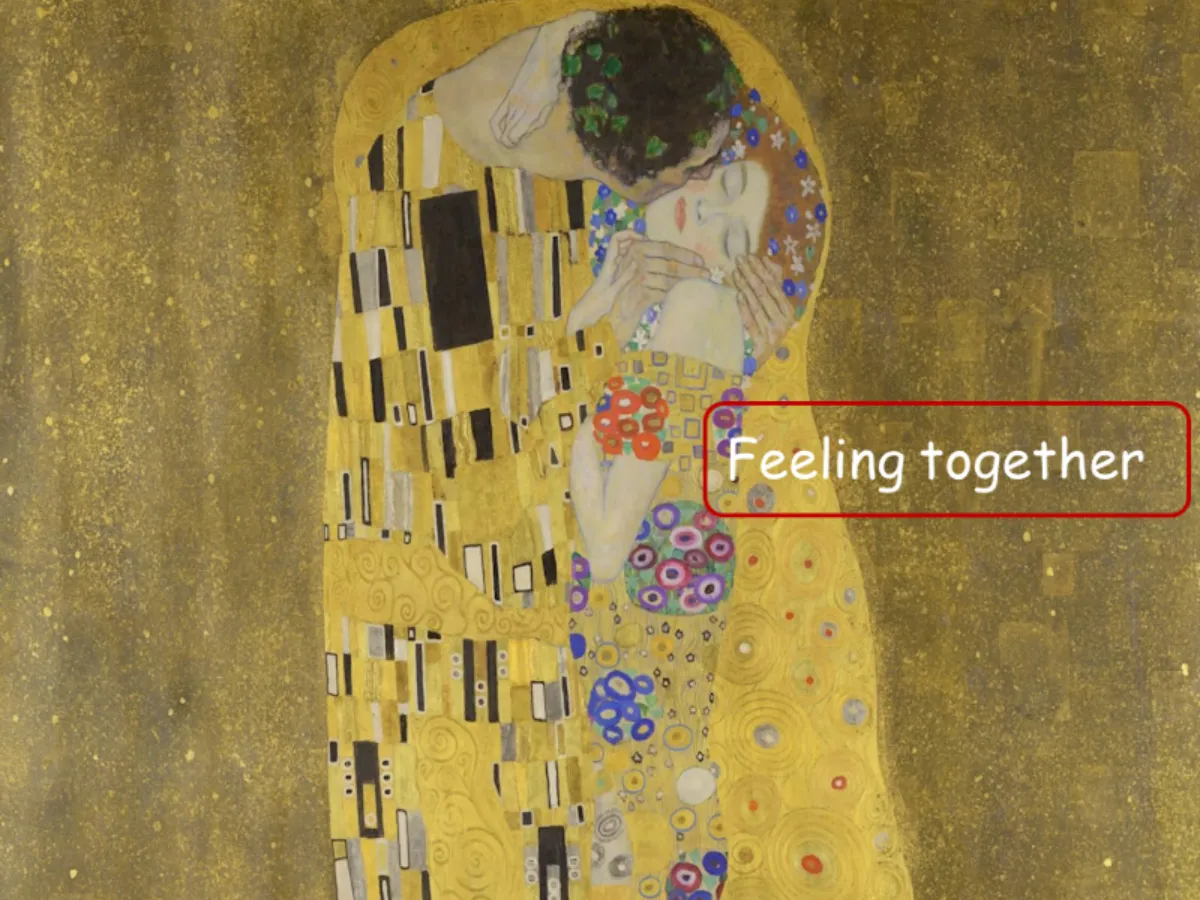
 Affection is feeling together
AFFECTION
Being Affectionate in Relationships: The Language of Love That Keeps Bonds Strong
The Key to Emotional Security, Trust, and Lasting Love, The Impact of Emotional Distance, and Practical Ways to Rebuild Warmth and Connection
 thelovemaze.com
What Is Being Affectionate and Emotional Connection?
Being affectionate means expressing warmth, love, and care through physical touch, kind words, and thoughtful actions. It’s the everyday language of love that reassures your partner they are valued and cherished.
Affection shows up in small gestures—a hug, a hand on the shoulder, a smile across the room, or a simple “I love you.” It’s about emotional availability and physical connection, not grand romantic acts.
When someone is affectionate, they don’t just say they love you—they show it through their emotional presence and consistent actions.
Why Affection Is Important for Emotional Security
Affection is one of the key ingredients of emotional security and lasting love. It acts as the glue that binds two people together through both calm and stormy times.
Here’s why affection matters deeply in relationships:
Strengthens emotional bonds: Regular affection nurtures trust, intimacy, and belonging.
Boosts happiness and health: Physical touch releases oxytocin, the “love hormone,” which reduces stress and enhances joy.
Keeps attraction alive: Gentle gestures and physical closeness maintain romantic energy and desire.
Improves communication: Affection creates safety, making it easier to discuss difficult topics without defensiveness.
Supports emotional resilience: Knowing you’re loved helps you handle challenges as a cohesive team.
Affection is not just a “nice-to-have”—it’s a deep relationship need. It’s how love stays visible, vibrant, and alive.
Damages and Impact Due to a Lack of Affection
When affection fades or is withheld, relationships often lose their emotional warmth and sense of closeness. Even if love still exists, the absence of affection can make partners feel lonely, unloved, or taken for granted.
The negative effects of lacking affection or emotional distance include:
Profound emotional distance and disconnection.
Decreased intimacy and sexual desire (the "no sex" factor).
Feelings of rejection, insecurity, or resentment.
Increased misunderstandings or simmering conflicts.
Loss of excitement, playfulness, and relationship spark.
Greater risk of emotional withdrawal or seeking validation elsewhere (infidelity).
Without consistent affection, relationships can start to feel like coexistence instead of true emotional connection. Over time, this emotional gap can grow wider and harder to bridge.
Typical Behaviors That Reflect a Lack of Affection
A lack of affection often shows up in subtle daily habits rather than dramatic actions. It’s less about what’s said—and more about what’s missing.
Common signs of low affection or emotional withdrawal include:
Rarely hugging, holding hands, or initiating simple physical touch.
Avoiding eye contact or meaningful emotional conversation.
Offering practical help (acts of service) but no warmth or tenderness.
Withdrawing emotionally during periods of stress or conflict.
Showing love only through duty or obligation, not genuine desire.
Dismissing your partner’s need for affection as “clingy” or “needy.”
Forgetting to say “I love you” or express sincere appreciation.
These behaviors signal emotional distance and can make one partner feel invisible or unloved.
How to Rebuild Affection and Emotional Connection
1. In Yourself-Cultivating Affection and Vulnerability
If you struggle to show affection, it often stems from emotional conditioning, fear of vulnerability, or simply different love languages. The good news is that affection can be learned and strengthened.
Ways to cultivate warmth and affection:
Start small: Give daily hugs, say kind words, make eye contact—consistency matters more than size to build momentum.
Be present and attentive: Put away distractions when interacting with your partner.
Express gratitude often: Appreciation naturally opens the heart and invites affection.
Heal emotional barriers: Reflect on past experiences that made expressing love uncomfortable.
Use your partner’s love language: Some people respond best to touch, others to words or acts of service—ensure your affectionate gestures resonate with how your partner feels most loved..
Practice self-affection: The more warmth you feel for yourself, the easier it is to share it with others.
Affection begins with emotional safety—when you feel safe being open, you naturally express more love.
2. In Your Partner-Encouraging Affection and Connection
If your partner isn’t affectionate, try to approach it with curiosity and empathy, not criticism. People express love differently, and sometimes they’ve simply fallen out of practice.
Ways to encourage warmth and connection in your relationship:
Communicate your needs clearly: Say how affection makes you feel loved, not how they are failing.
Lead by example (Give Freely): Give without keeping score—affection tends to be reciprocated.
Acknowledge their efforts: When they show warmth, even subtly, appreciate it out loud.
Create connection moments: Share slow mornings, date nights, or simple routines like evening hugs or focused conversation.
Be patient: Emotional openness grows with trust and consistency, not pressure or demands.
The goal isn’t to force affection but to invite it—through understanding and positive reinforcement.
Final Thoughts on Love and Emotional Warmth
Being affectionate is how love breathes. It’s the gentle, human way of saying “You matter to me” without words. When affection flows freely, relationships become softer, safer, and more fulfilling.
In contrast, withholding affection—intentionally or unintentionally—creates emotional starvation. The solution is rarely grand gestures; it’s small, consistent moments of care and warmth.
So reach out, hold hands, smile, and say what’s in your heart.
Because love isn’t just about being together—it’s about feeling together.