
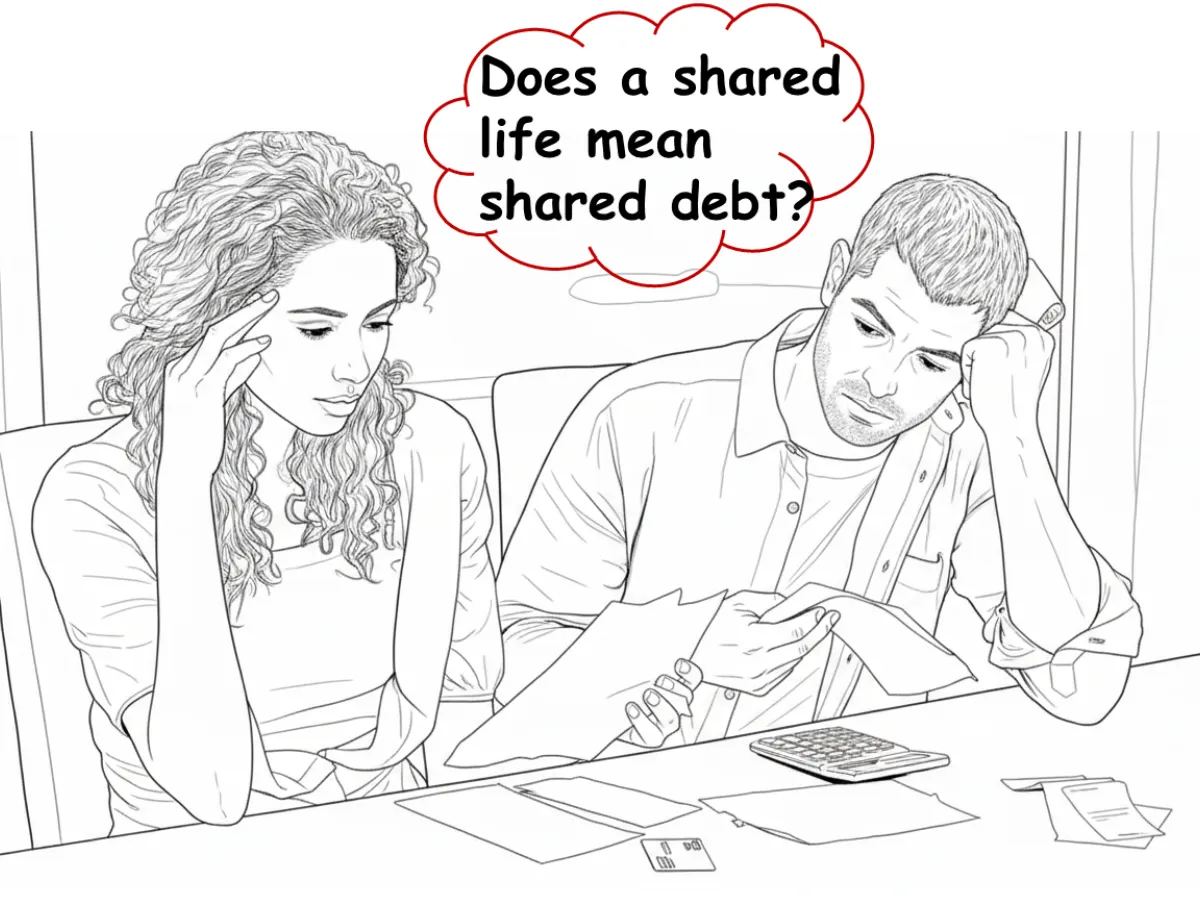
 Financial compatibility
MONEY_ATTITUDE
The Secret to Financial Compatibility and Lasting Love
Money Attitude in Relationships: Why Shared Financial Mindset, Spending Habits, and Values Matter for Stability, Trust, and Stress-Free Partnership
 thelovemaze.com
Money is more than dollars — it’s security, freedom, comfort, and future dreams. Every person has a unique relationship with money shaped by upbringing, culture, fears, and aspirations.
When two people share a compatible money attitude, they experience harmony, clarity, and teamwork. But when the difference is wide, finances can become one of the biggest sources of conflict in relationships.
Understanding how you each view and handle money is essential for long-term stability and trust.
What Is Money Attitude and Financial Mindset?
Money attitude refers to the deeply ingrained beliefs and behaviors people have around earning, saving, spending, and financial planning. It’s shaped by upbringing, culture, and personal experiences, making it a powerful force in a shared life.
Your financial mindset for couples influences decisions such as:
The balance between saving vs. spending (present vs. future focus).
Risk tolerance (investing vs. caution).
Prioritizing bills, fun, debt management, and future goals.
How to budget and view financial security/freedom.
Your money attitude defines your financial lifestyle and your reliability as a shared partner.
Why Financial Compatibility Matters for Relationship Stability
Money is the leading source of stress in many relationships. Financial compatibility transforms this potential friction into teamwork, security, and harmony.
When money attitudes align, couples successfully:
Reduce stress and financial conflict dramatically.
Build long-term security (savings, retirement) together.
Make aligned life decisions (homes, children, travel, career changes).
Support each other’s dreams
Strengthen trust and partnership through transparency and reliability.
Create a fair sense of financial contribution and shared responsibility.
When money mindsets for couples match, they operate as a unified team, not financial opponents.
Impact of Mismatched Money Attitudes
Financial disagreements are often about unstated expectations and emotional anxiety, not just dollars. When partners have conflicting financial beliefs, the results can be devastating:
Resentment over perceived reckless spending or excessive saving.
Constant arguments about budgeting and financial controls.
Financial instability, debt stress, and economic chaos.
<Discover your financial stability>
Imbalance in contributions or responsibilities.
Distrust and Secrecy: Hidden spending or undisclosed accounts.
Feeling Controlled (by the saver) or Unsupported (by the spender).
Difficulty planning for retirement or major goals.
Over time, this financial conflict weakens emotional connection and destroys partnership security.
Behaviors That Signal a Money Attitude Clash
These are common warning signs that your financial compatibility is strained:
Opposing Habits: One partner is a compulsive saver while the other is an over-spender.
Conflict over Priorities: Constant arguments about luxury vs. necessity, or experiences vs. assets, or present vs. future.
Avoidance: Refusal to discuss joint bank accounts, budgeting, or debt.
Financial Infidelity: Hidden spending, secret debts, or lying about income.
Imbalance: Stress around income differences or arguments about fairness in financial roles.
Judgment: One partner feels continually criticized for their financial past or present choices.
These can indicate deeper disagreements about what money means in the relationship.
Strategies for Navigating Financial Differences
1. In Yourself - Strengthening Personal Money Attitude
Strengthening personal financial habits builds confidence and stability:
Increase Awareness: Commit to tracking your spending and identifying emotional spending triggers.
Build Knowledge: Learn financial basics (credit, investments, debt management).
Set Clear Goals: Define measurable short- and long-term financial aspirations.
Challenge Emotional Patterns: Practice self-compassion while addressing insecurity tied to money.
Practice gratitude instead of comparison.
Financial growth is emotional growth — and both matter in love.
2. In Others - Achieving Financial Teamwork with a Partner
Money doesn’t have to divide you — it can bring you closer with the right approach:
Open Dialogue: Initiate honest, judgment-free, regular conversations about finances.
Share Money Histories: Discuss your upbringing and fears (the why behind the behaviors).
Joint Management: Create a shared budget and review finances together as a routine.
Divide Expenses Fairly: Focus on contributions that feel fair to both, not necessarily a strict 50/50 split based on income.
Align on Long-Term Goals: Agree on the big picture (house, retirement, kids).
<What matters most to you in life?>
Seek Neutral Advice: Consult a financial advisor or counselor to mediate core differences.
Celebrate progress as a couple.
The goal is not to force the other person to change their fundamental nature, but to collaborate toward a shared financial future.
Final Thoughts: Financial Mindset Shapes Relationship Success
Love may be priceless, but money attitude is crucial for building a durable life together. Choosing a partner with compatible financial beliefs isn’t materialistic—it is a responsible, smart, and deeply loving act.
When partners can affirm:
💬 “We trust each other financially.”
💬 “We make money decisions as a team.”
💬 “We’re building the same secure future.”
— they create a relationship grounded in security, respect, and mutual success.