
 Love Style
LOVE_STYLE
Love Style: The Hidden Blueprint Guiding Your Relationship
Understanding Your Unique Emotional Wiring to Build Deeper Trust, Navigate Conflict, and Ensure Long-Term Relationship Success
 thelovemaze.com
What Is Your Love Style? The Emotional Blueprint
Every person enters love with a unique internal emotional blueprint—a love style. This style, heavily influenced by childhood and refined through adult experience (similar to attachment styles and love), dictates how we show affection, what makes us feel secure, and how we react when connection feels threatened.
Unfortunately, many couples assume love should be instinctual and fail to discuss their love style, which is often where relationships become complex and entangled.
Love style influences:
Affection and Intimacy: How you express and receive closeness.
Conflict Response: How you manage stress (e.g., withdraw vs. pursue).
Security Needs: What behaviors signal safety or threat to you.
Commitment: Your comfort level with long-term partnership and labels.
When two people have different or misunderstood love styles, the relationship can feel confusing, unbalanced, and draining—even when the love is genuine.
Why Love Style Compatibility is Key to Relationship Success
Compatibility isn’t only about values, goals, or chemistry. It’s about emotional alignment.
Understanding each other's emotional blueprint transforms the partnership experience.
A high degree of love style compatibility (or understanding) helps partners:
Feel seen, valued, and secure in the relationship.
Communicate affection in ways the other partner can actually feel.
Navigate conflict without constantly triggering deep-seated fear (abandonment or suffocation).
Build long-term trust and deep, safe intimacy.
When love styles are understood, couples create emotional safety. When they clash without awareness, small issues can quickly turn into damaging cycles of hurt.
The Impact When Emotional Blueprints Clash
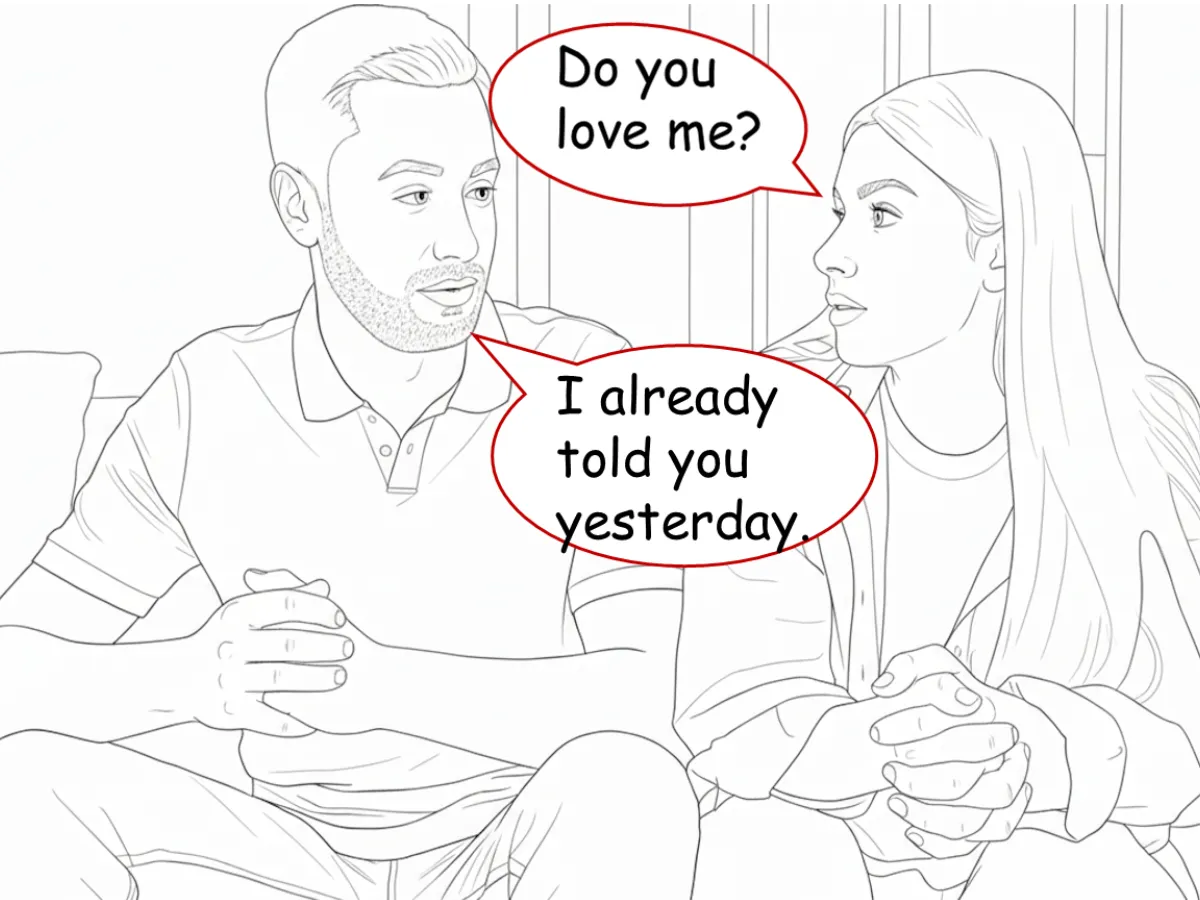
A difference in love style doesn't mean you're wrong for each other; it means you speak different emotional languages. Without translation, however, the damage quietly grows:
Chronic Misinterpretation: Confusing a partner's need for space with lack of love.
Emotional Neglect: Feeling unloved even when the love is genuinely present.
Unequal Emotional Labor: One partner constantly over-functioning to meet the other's needs.
Resentment: Building up over consistently unmet emotional needs.
For example, one partner might crave closeness (Anxious attachment style) while the other needs significant breathing room (Avoidant attachment style).
One might communicate through words, the other through actions.
One might need reassurance, the other independence.
Neither is right or wrong — but both can feel wronged.
Behaviors That Reveal Love Style Mismatch
When love styles differ and go unrecognized, couples often fall into predictable, painful patterns:
The Chase-Withdraw Cycle: One partner withdraws emotionally (avoidance) while the other grows more anxious and pursues (anxiety).
<How much space do you need in a relationship?>
Inconsistent Affection: Affection is miscalibrated—one finds it "too much" and overwhelmed while the other finds it "not enough" and neglected.
Defensive Communication: Small disagreements escalate quickly because they touch on deeper unmet needs.
Frustration: Attempts to connect fail, leaving both people feeling misunderstood and exhausted.
These patterns are not simply random friction — they are the manifestation of unmet emotional translation rooted in differing love styles.
How to Strengthen Love Style Compatibility
1. In Yourself - Self-Awareness and Personal Growth
The solution begins with self-awareness:
Identify Your Triggers: Ask: What behaviors make me feel secure? What makes me pull away or panic?
Communicate Clearly: Learn to express emotional needs calmly and assertively using "I" statements.
Emotional Regulation: Practice self-soothing to regulate anxiety or avoidance during conflict.
<How well do you manage emotions?>
Embrace Vulnerability: Allow closeness, even when your historical blueprint tells you it's uncomfortable or unsafe.
Practice new expressions of affection that align with your partner’s needs.
<Gauge your level of affection>
Understanding where your love style comes from — childhood modeling, past heartbreak, trust wounds — helps you take responsibility for your reactions.
Healing your love style is the best investment you can make in your relationship's future.
2. In Others - Bridging the Gap with Your Partner
Love style work is not about changing someone — it’s about bridging distances.
You can support your partner by:
Practice Curiosity, Not Criticism: Ask genuinely what helps them feel loved and secure.
Validate Emotions: Acknowledge their emotional preference without minimizing it or making it about you.
Compromise Comfort Zones: Find a middle ground that respects their need for space and your need for closeness.
Build Rituals: Create connection habits that work for both styles (e.g., scheduled check-ins, intentional touch).
When partners witness each other’s inner world, emotional safety blooms.
Final Thoughts: Love Style Compatibility Is Built, Not Found
The myth that relationships should “just work” is one of the biggest threats to love. Compatibility isn’t luck — it’s a daily practice of understanding, patience, and adaptation.
Learning each other’s love style transforms:
Friction into closeness.
Misunderstanding into empathy.
Fear into trust.
Love grows when we realize our partner isn’t trying to hurt us — they’re trying to love us in the only way they know how. And together, we can define a new, better way.