
 Likability in relationships
LIKABLE
Likable: Why Emotional Warmth Sustains Love and Connection
The Power of Likability in Relationships: Cultivating Empathy, Respect, and Emotional Safety to Ensure Your Partner Enjoys Being Around You Long-Term
 thelovemaze.com
What Does It Mean to Be Likable?
Being likable isn’t about being fake, overly agreeable, or trying to please everyone. True likability comes from warmth, respect, empathy, and emotional awareness. It’s the genuine ability to make others feel comfortable, valued, and understood in your presence.
In relationships, likability means your partner genuinely enjoys being around you—not just because of shared history or passion, but because you consistently bring emotional ease, kindness, and positivity to the connection.
Likable people are:
Authentic and Approachable: They are real, yet kind.
Emotionally Attuned: They notice and respond to their partner's feelings.
Respectful in Conflict: They can disagree without causing emotional harm.
Humble: They can sincerely own their mistakes and apologize.
They make others feel safe and seen.
At its core, being likable is about creating emotional harmony—not dominance, control, chaos, or perfection.
Why Emotional Warmth is Vital for Sustained Love
Attraction might ignite a relationship, but likability sustains it. Over time, physical charm fades, but kindness, humor, consistency, and respect build lasting bonds.
Here’s why likability in relationships matters:
Builds Emotional Safety: People open up more to those who make them feel accepted and comfortable.
Strengthens Trust: Likable partners tend to be consistent, considerate, reliable, and emotionally predictable (in a good way) and safe.
Reduces Conflict: A pleasant and respectful demeanor makes disagreements easier to navigate.
Promotes Satisfaction: Couples with mutual warmth and respect report significantly healthier and more stable long-term relationships.
Enhances Attraction: Emotional likability deepens romantic attraction far beyond the physical.
Simply put, love thrives when both partners like as well as love each other.
Damages and Impact of Low Likability
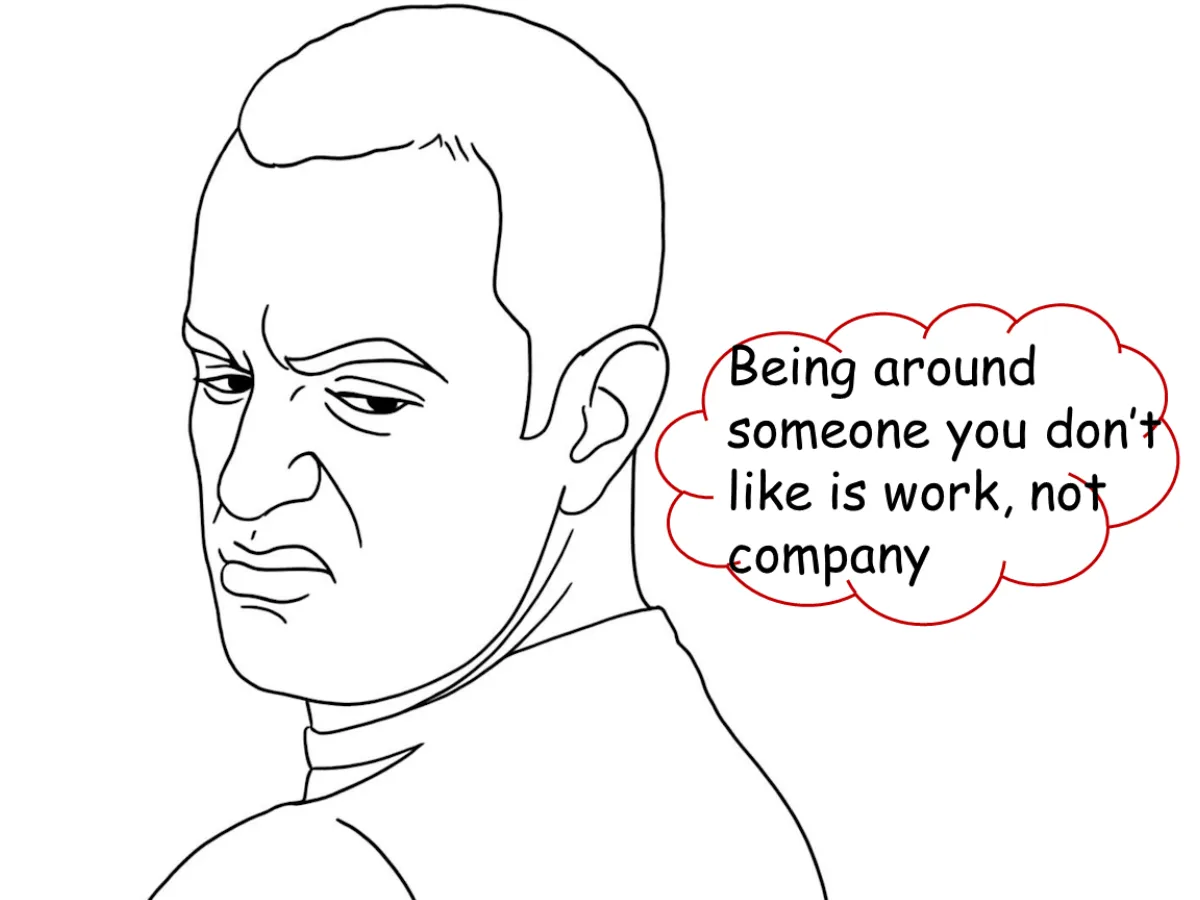
A lack of likability slowly erodes the emotional connection, even in otherwise functional relationships. When one partner feels emotionally drained or irritated by the other’s energy or attitude, distance and resentment take hold.
The impact of low likability includes:
Emotional detachment: The relationship starts to feel like an obligation rather than a source of joy.
Frequent misunderstandings: Poor emotional tone leads to unnecessary tension and incorrect assumptions.
Reduced intimacy: Dislike or discomfort actively undermines closeness and affection.
Loneliness within the relationship: When likability drops, partners stop seeking each other’s company, leading to emotional isolation.
Social strain: Friends or family may avoid spending time with an unlikable partner, creating isolation.
Burnout: The partner becomes emotionally exhausted from managing the other's negativity.
Ultimately, relationships where one or both partners aren’t emotionally pleasant to be around often collapse—not because of lack of love, but lack of liking.
Typical Behaviors That Make Someone Unlikable
Unlikable behaviors often stem from stress, insecurity, or a deficit in self-awareness, rather than malicious intent. Regardless of the cause, they negatively affect the relationship.
Common signs that hinder likability:
Constant Negativity: Chronic complaining, cynicism, or doom-and-gloom attitude.
Sarcasm and Mockery: Using cutting remarks, passive-aggression, or subtle put-downs.
Ego Dominance: Interrupting, dominating conversations, or always needing to be right.
Emotional Immaturity: Quick to anger, defensiveness, or poor control over reactions.
Lack of Gratitude: Rarely expressing thanks or appreciation for the partner's efforts.
Inconsistency: Being warm one day and cold or withdrawn the next.
<Are you a volcano or a stream?>
Being Overly Self-Focused: Being unable to show genuine curiosity or interest in the partner’s world.
Being Dismissive of the partner’s feelings.
<Do you come across as respectful?>
These behaviors can make even a well-intentioned person seem unapproachable or emotionally unsafe.
How to Be More Likable in a Relationship
1. In Yourself - Strengthening Likable Habits
Becoming more likable isn’t about changing your personality—it’s about strengthening the emotional habits that make people feel valued around you.
Here’s how to Cultivating Likability:
Practice empathy: Listen to understand, not just to respond.
Stay positive: Share gratitude, a sense of humor, and appreciation daily.
Show humility: Admit mistakes and offer sincere apologies quickly and genuinely.
Be curious, not judgmental: Ask questions with genuine interest.
<Measure your judgmental tendency>
Validate emotions: Let your partner feel heard and respected by acknowledging their feelings.
Mind your tone and timing: Recognize that how you say something often matters more than what you say.
<How well do you get your message across?>
Be consistent: Reliability builds trust and comfort, making you a safe presence.
Respect boundaries: Likability grows where people feel emotionally safe.
Likability is contagious—when you bring warmth and ease, others naturally respond with the same energy.
2. In Others - How to Deal with an Unlikable Partner
If your partner struggles with likability—perhaps due to irritability, criticism, or emotional detachment—it’s important to approach the situation with understanding and firm boundaries.
Try these steps:
Communicate openly: Use "I" statements to express the impact: "I feel drained when our conversations are mostly focused on complaining."
Acknowledge the root: Gently explore if the behavior stems from stress, burnout, or unaddressed emotions.
Set healthy boundaries: You can be kind while firmly refusing to tolerate disrespect or emotional abuse.
Model likability: Stay calm, kind, and approachable, even during tough conversations.
Rebuild connection through shared joy: Engage in light, positive activities together to shift the tone.
Seek support: Encourage self-awareness and professional counseling if the patterns are deeply entrenched.
Sometimes, people don’t realize how their energy affects others until they experience consistent, compassionate feedback.
Final Thoughts
Being likable isn’t about perfection or pleasing—it’s about emotional generosity. When you bring warmth, empathy, and respect to your relationship, you create a space where love feels easy, natural, and mutual.
A strong relationship isn’t built on grand gestures—it’s built on the everyday moments when you make each other feel good to be together.
So, ask yourself not just, “Do I love my partner?” but also, “Do I make them feel liked?”
Because love grows best where people genuinely enjoy each other.