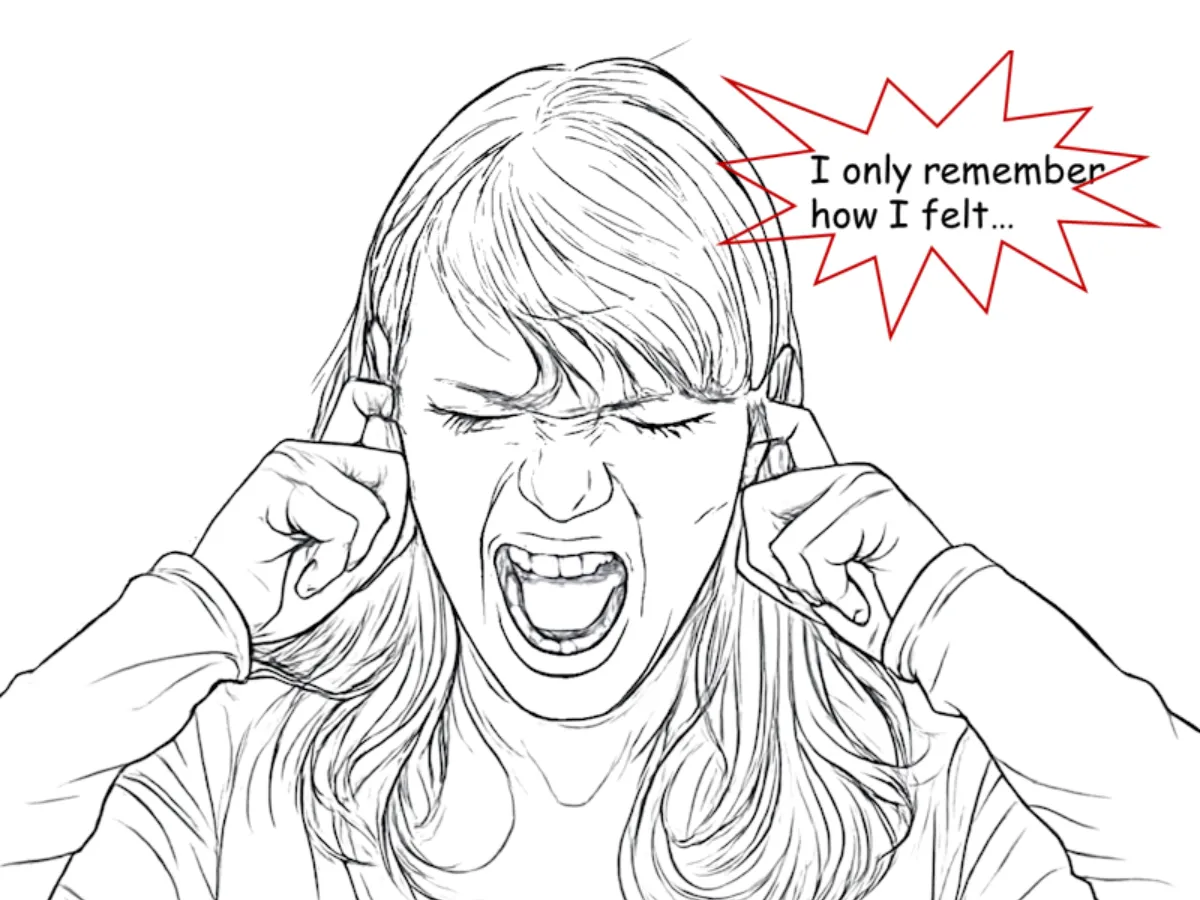
 Manners_How I felt
RELATIONSHIP_MANNERS
Good Manners in Relationships: The Foundation of Respect and Lasting Love
Why Relationship Courtesy is Vital, The Impact of Poor Manners, and How to Cultivate Emotional Maturity
 thelovemaze.com
What Are Manners and Courtesy in a Relationship?
Manners are the outward expression of respect, kindness, and consideration for others. They are the small but powerful gestures—like saying please, thank you, or listening attentively—that show awareness and care for another person’s feelings. In relationships, good manners form the foundation of emotional safety, mutual respect, and harmony.
Good manners and relationship courtesy go beyond social etiquette. They reflect emotional maturity and empathy. Whether it’s being punctual, expressing gratitude, or offering a sincere apology, manners communicate, “I value you, your feelings, and your time.”
Why Good Manners Are Important for Relationship Health
In a healthy relationship, good manners act as the “social glue” that keeps interactions positive and smooth. They create an environment where both partners feel seen, respected, and safe to express their true selves.
Here’s why relationship courtesy is critical for lasting love:
Reduces conflict: Polite communication softens disagreements and prevents harsh words from escalating tension into conflict.
Builds trust and mutual respect: Courteous behavior shows reliability, consistency, and emotional awareness.
Strengthens emotional connection: Manners encourage gratitude, active listening, and appreciation—all vital for emotional intimacy.
Reflects inner values: Consistent good manners demonstrate empathy, self-discipline, and deep respect for the relationship itself.
Even long-term partners benefit from continued courtesy. Saying "thank you" for everyday things or showing appreciation keeps affection and respect in relationships alive.
The Damage Caused by a Lack of Manners (Disrespect)
A lack of manners often signals emotional carelessness or disrespect. Over time, this erodes trust, affection, and mutual respect. When one or both partners stop practicing relationship courtesy, the partnership can feel cold, transactional, or unloving.
The impact of poor manners in a relationship includes:
Growing resentment due to dismissive or rude behavior.
Frequent misunderstandings and increasing emotional distance.
Feeling taken for granted, unappreciated, or blatantly disrespected.
Diminished desire for closeness or intimacy.
Without consistent good manners, communication can become hostile or indifferent, slowly turning affection into frustration.
Typical Behaviors Showing Lack of Courtesy or Respect
People who struggle with poor manners may not always be intentionally rude; sometimes, it’s simply unconscious neglect or emotional immaturity. Regardless of intent, the effects are damaging.
Common signs of a lack of courtesy or disrespectful behavior include:
Interrupting or talking over others.
Ignoring messages or being consistently late without apology.
Failing to say please, thank you, or sorry for mistakes.
Making insensitive jokes or dismissive, sarcastic remarks.
Being self-centered in conversations (monopolizing talk).
Showing impatience or a lack of basic courtesy in front of others.
These behaviors communicate disregard, even when unintended. Over time, they weaken the emotional fabric necessary for a healthy relationship.
How to Cultivate Courtesy and Respect
1. Strengthening Good Manners in Yourself
Courtesy is a skill that requires self-awareness and practice.
Practice mindfulness: Pay attention to how you speak, listen, and respond.
Slow down: Courtesy thrives in patience. Pause before reacting impulsively.
Express gratitude daily: A simple "thank you" can immediately reset the emotional tone.
Apologize sincerely when needed: A genuine apology restores respect faster than defense or excuses.
Be consistent: Courtesy shouldn’t fade with comfort or familiarity in a long-term relationship.
Small acts of respect done regularly build long-lasting harmony.
2. Handling Others' Lack of Manners
If your partner struggles with relationship courtesy, patience and clear communication are key.
Model the desired behavior: Consistently demonstrate good manners rather than demanding them.
Communicate calmly: If someone’s rudeness hurts you, explain how the behavior affects you using "I" statements, avoiding accusation.
Set firm boundaries: Consistent disrespectful behavior should not be tolerated.
Encourage awareness gently: Sometimes people don’t realize their lack of courtesy until it’s pointed out with compassion.
Remember: you can’t control others’ manners, but you can influence the tone of your relationship through your own courteous behavior and maintaining mutual respect.
Final Thoughts on Relationship Courtesy
Manners are not outdated—they’re timeless tools for building and maintaining healthy relationships. They are the simplest way to express care, maturity, and mutual respect. When both partners maintain politeness and appreciation, the relationship stays emotionally safe, warm, and fulfilling.
Even small courtesies—like saying good morning, listening fully, or showing gratitude—can make a big difference. Manners, after all, are the simplest way to say, "I care about you" and "I value and respect you."
