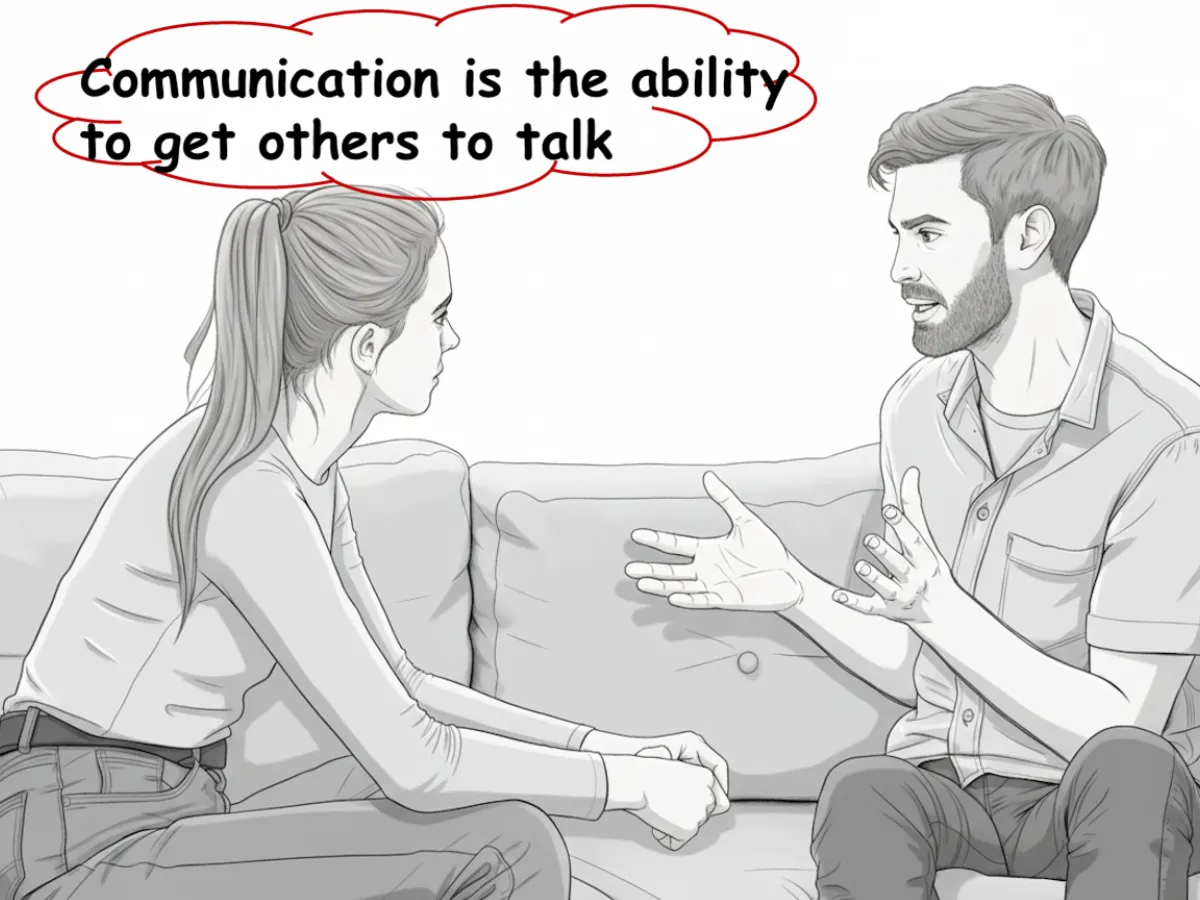
 Effective communication
COMMUNICATION
Skills for Conflict Resolution and Deeper Connection
Effective Communication in Relationships: Why Strong Conversation Matters, The Impact of Poor Communication, and Practical Strategies to Master Active Listening and Emotional Expression
 thelovemaze.com
Healthy relationships aren’t built on grand gestures — they thrive on everyday conversation. Effective communication is how couples connect, understand each other, resolve problems, and feel deeply valued. Without it, even the strongest love can begin to feel distant, misunderstood, or chaotic.
The good news? Communication is a skill — one anyone can strengthen.
What Is Effective Communication and Active Listening?
Effective communication means more than just talking. It’s about expressing thoughts and emotions clearly and listening with curiosity and respect.
It includes:
Speaking honestly without resorting to attacks or criticism.
Asking open-ended questions to understand, not to control or cross-examine.
Paying attention to tone, timing, and body language (non-verbal cues).
Active Listening: Fully hearing your partner without interrupting or planning a rebuttal.
Making space for each other’s needs and perspectives.
Ultimately, effective communication says:
“Your voice matters here.”
Why Strong Communication Skills Are Vital for Relationship Health
Communication creates the emotional environment of the relationship. When it's healthy, it builds relationship stability.
Strong healthy communication skills nurture:
Trust: Feeling confident your partner is being honest and transparent.
Conflict Resolution: Misunderstandings are managed efficiently and don't spiral into prolonged tension.
Deeper Intimacy: Sharing thoughts and feelings builds emotional closeness and bonding.
Needs Alignment: Partners feel supported because needs are known, not guessed at.
Communication is the bridge between two people — and it keeps love flowing.
What Happens When Communication Breaks Down
A lack of communication doesn’t just create silence; it creates emotional distance and chaos.
Common impacts of poor communication include:
Misunderstandings turn into escalated arguments.
Assumptions and interpretations replace clarity and facts.
Resentment builds beneath the surface due to unexpressed needs.
Emotional or sexual intimacy declines due to tension.
Small issues become major ruptures.
Partners consistently feel unseen or unheard.
It’s not conflict that destroys relationships —it’s the inability to talk through conflict effectively.
Typical Behaviors That Signal Poor Communication
These behavioral patterns signal that communication needs attention:
Avoidance: Withholding feelings or consistently avoiding important conversations.
Dominating: Interrupting, overtalking, or monopolizing discussions.
The Silent Treatment: Using silence or withdrawal as a punishment or manipulation tactic.
Defensiveness/Criticism: Constant focus on blame or fault-finding.
Passive-Aggression: Using sarcasm or indirect comments instead of direct honesty.
Mind Reading: Expecting, "You should just know what I need!"
Shutting Down: Emotional disengagement during discussions or conflict.
Circular Arguments: Conversations that solve nothing and repeat endlessly.
These patterns are not character flaws—they are communication skills that haven't been learned yet.
Strategies to Improve Communication
1. In Yourself - Mastering Self-Expression and Active Listening
You can't control your partner's response, but you can strengthen how you show up by building your communication skills.
Practice:
Clear Self-Expression: State your feelings and needs directly; stop expecting your partner to guess.
Emotional Regulation: Use the pause button when things get heated. Calm brains communicate better.
<How well do you manage your emotions?>
Active Listening: Focus fully on hearing your partner's message instead of mentally rehearsing your reply.
Vulnerability: Share your deeper truth when it feels safe—not just surface-level facts.
Repair Efforts: If your words come out wrong, own it, apologize, clarify, and try again.
Communication isn't about perfection—it’s about staying engaged and committed to the process.
2. In Others - Addressing Communication Issues as a Couple
When your partner struggles to communicate, approach with empathy and teamwork, not accusation.
Model Healthy Behavior: Be the first to use active listening and vulnerability. People learn communication by experiencing healthy communication.
Create Safe Space: Replace judgment with curiosity. Ask open-ended questions ("Help me understand...").
Set Loving Boundaries: Clearly state, "I want to solve this with you, but I need us to talk about it when we're both calm."
Seek Effort and Repair: Look for improvement in their efforts, not flawless immediate change.
Professional Support: Coaching or couples therapy can provide specialized tools and accountability for persistent patterns.
Remember: communication is a two-person dance… both have to be willing to move.
Final Thoughts: Connection Requires Communication
Love is felt in actions — but it’s understood through words.
Effective communication is how you:
Stay aligned and connected.
Keep intimacy alive and vital.
Resolve issues quickly and effectively.
Feel like true teammates in life.
Even if things have been tense or disconnected, it’s never too late to rebuild communication skills. Every honest conversation is progress.
When you speak with openness and listen with love, your relationship becomes a place where both hearts can breathe and flourish.
