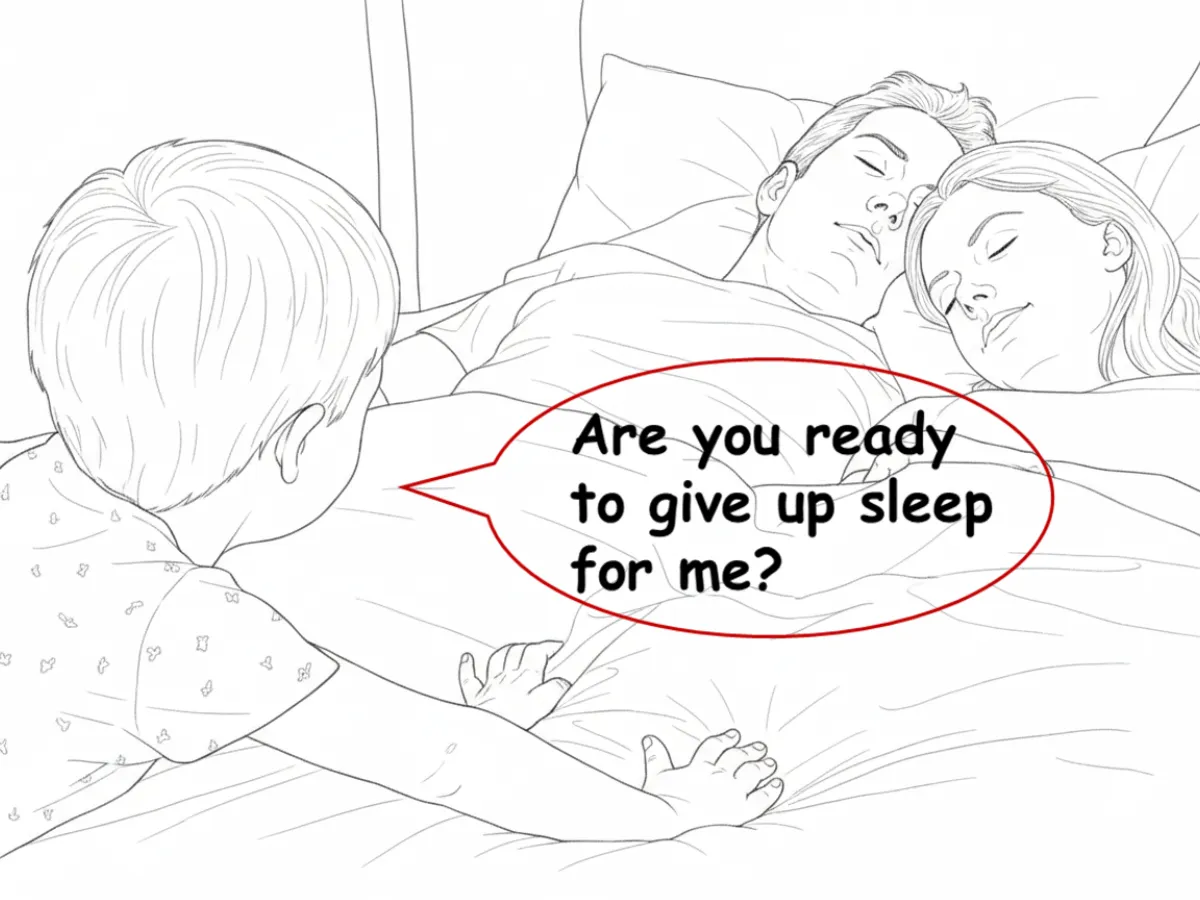
 Ready to be parents
DESIRING_CHILDREN
How Parenthood Readiness Fuels Stability, Commitment, and Unity
Parental Readiness in Relationships: What Emotional and Financial Preparedness Means, The Impact of Low Readiness, and Strategies to Build a Unified Future
 thelovemaze.com
What Is Parental Readiness and Why It Matters
Parental readiness is the essential emotional, financial, relational, and lifestyle preparedness needed to successfully raise and nurture children. It’s more than just wanting kids; it’s a commitment to shared responsibility and sacrifice.
A ready partner demonstrates:
A stable partnership foundation and secure relationship.
Emotional maturity and reliable responsibility.
A true understanding of the long-term commitment of parenting.
Realistic expectations of sacrifice, change, and effort.
Willingness to prioritize a child’s well-being above personal comfort.
A ready partner sees children as a shared future — not as a burden, obligation, or distant “maybe someday.”
Why Parental Readiness Is Important for Relationship Stability
Bringing a child into a relationship fundamentally changes everything — priorities, financial pressure, sleep, responsibilities, identity. When both partners are aligned on the decision and prepared for parenthood:
The relationship grows stronger through teamwork and shared purpose.
Parents demonstrate better communication and mutual support.
Children are raised in a secure and nurturing environment.
Future plans feel unified and meaningful.
Couples are more resilient during stress and sleep deprivation.
When parental readiness is mutual, parenthood becomes a shared adventure, not a source of major conflict.
The Impact of Lacking Parental Preparation
When one or both partners are unprepared, the relationship can struggle under immense pressure of parenting. A lack of readiness can lead to:
Resentment or frustration toward partner or child.
Avoidance of major future decisions.
Emotional withdrawal and distance in the partnership.
Financial strain and poor planning.
Increased conflict over parenting roles, sacrifices, and lifestyle changes.
Higher likelihood of relationship separation after children arrive.
The emotional toll is significant: the child may feel unwanted, and the relationship can crack under the weight of unmet expectations and unequal burden.
Even when children aren’t yet part of the picture, misaligned readiness can create insecurity and doubt:
“Do we even want the same future?”
That question alone can severely destabilize a partnership.
Typical Behaviors That Reveal Low Parental Readiness
Low parental preparation is often revealed through underlying issues with commitment and maturity.
Common patterns include:
Chronic difficulty committing long-term to shared goals.
Prioritizing personal freedom above all else, resisting compromise.
Lack of patience or emotional regulation in daily life.
Fear or avoidance of responsibility and adult tasks.
Immaturity in financial habits and budgeting.
Rejecting conversations about the future or family planning.
Discomfort with children or caregiving situations.
Often, this behavior stems from deep-seated fear—fear of losing identity, independence, freedom, or even the partner's love.
How to Develop Parental Readiness and Emotional Maturity
1. In Yourself-
You don't need to have everything figured out perfectly, but readiness grows through intentional effort:
Educate Yourself: Learn the realities of parenting—not just the idealized version—through books, classes, and talking to experienced parents.
Strengthen Emotional Maturity: Work on patience, empathy, and effective communication skills.
Practice Responsibility: Build solid habits that support a stable environment (home care, budgeting, follow-through).
Reflect on Values: Clarify your why regarding having (or not having) kids.
Plan Practically: Address finances, career flexibility, and building support systems now.
Seek Therapy: Break unhealthy cycles inherited from past family wounds or dysfunctional parenting models.
You’re preparing not just to parent — but to nurture a whole human life within a supportive partnership.
2. In Others - How to Support a Partner Who Isn’t Ready Yet
Approach a partner's lack of readiness with empathy and partnership.
Instead of pushing or judging, try:
Open, Pressure-Free Conversations: Share your hopes for the future without forcing a timeline or making demands.
Understand Their Fears: Identify the core worry: Is it financial? Losing independence? Fear of failure?
Make the Path Feel Doable: Suggest small, low-stakes steps-babysitting, meeting parents with kids, building routines
Set Expectations Together: Create joint plans for finances, division of roles, and emotional support strategies.
Give Space and Time: Demanding readiness often backfires. Growth requires autonomy and acceptance.
However, if your timelines and goals are fundamentally incompatible, acknowledging it honestly is kinder than delaying inevitable heartbreak.
Parental Readiness: The Foundation for Love and Legacy
Being ready for parenthood doesn’t mean perfection — it means willingness, teamwork, and love rooted in responsibility. When partners are aligned in their readiness, the relationship gains a purpose that extends into the next generation.
A child deserves parents who are prepared.
A relationship deserves a future built with intention.
And every partner deserves clarity about where the journey is heading.
