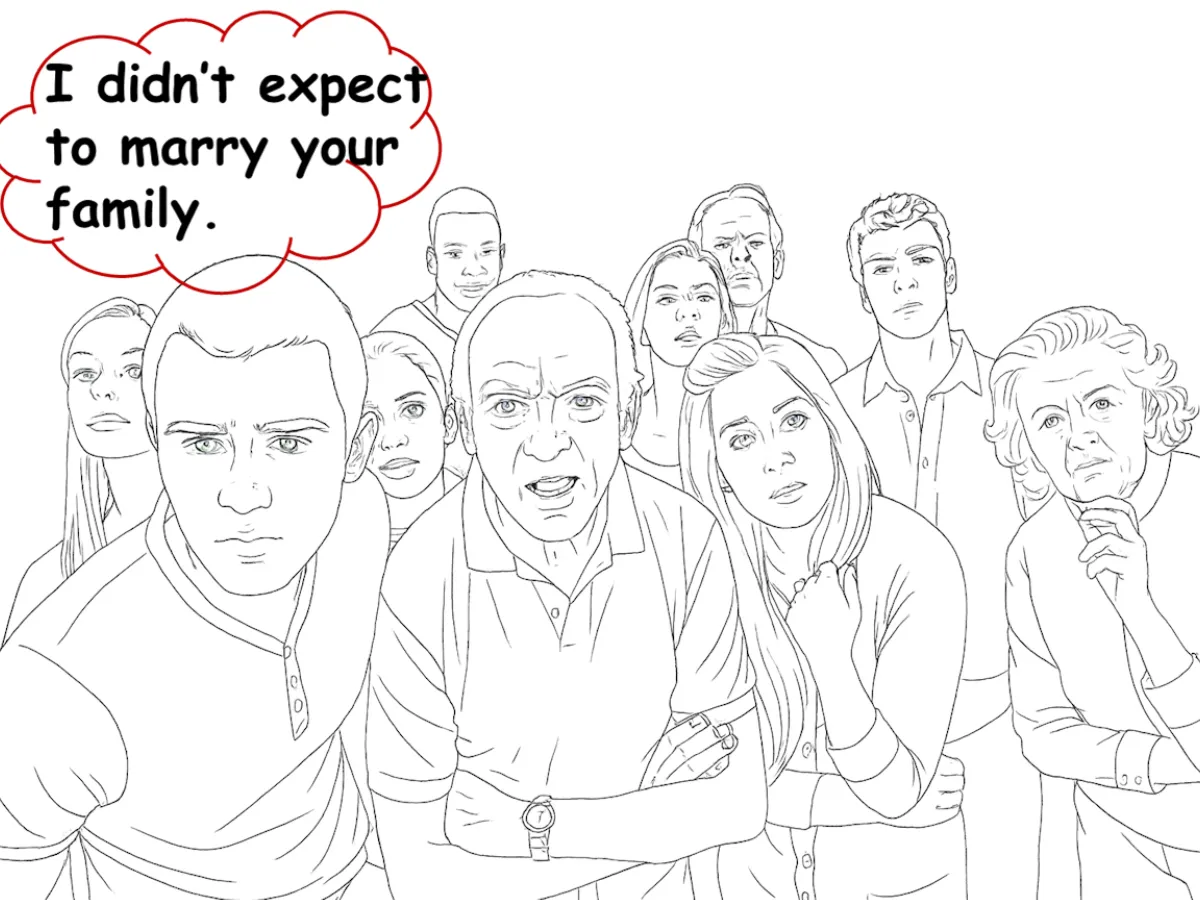
 Cultural difference
CULTURAL
Essential Skills for Intercultural Love and Compatibility
Cultural Awareness in Relationships: Why Honoring Cultural Identity, Values, and Traditions Matters for Lasting Love and Family Harmony
 thelovemaze.com
What Does It Mean to Be "Cultural" in a Relationship?
In today’s global, diverse world, relationships often bring together two people with different upbringings, values, languages, traditions, and belief systems. Being cultural — having awareness, curiosity, respect, and appreciation for cultural backgrounds — is now a core relationship skill.
Whether partners come from different countries, families, or lifestyles, cultural understanding shapes trust, emotional safety, and long-term compatibility.
Being cultural means actively:
Embracing your partner’s background with genuine curiosity and respect.
Understanding that traditions, communication styles, and values shaped by lived experiences.
Honoring cultural identity as a vital, non-negotiable part of what makes someone who they are.
It’s not just about ethnicity or nationality. Cultural elements and impact areas include:
✅ Family dynamics: Boundaries, obligations, and approval.
✅ Social norms: Behaviors, conflict, and manners.
✅ Beliefs systems: Spirituality, morality, and purpose.
✅ Holidays, rituals, food, and traditions.
✅ language and expressions: Communication style.
✅ Gender roles and expectations.
✅ Views around love, affection, and finances.
It encompasses all the visible and invisible ingredients that shape intercultural relationship compatibility.
Why Cultural Awareness and Intimacy Are Intertwined
Cultural awareness is vital because it directly impacts the depth of your emotional connection. When partners feel culturally seen and respected, they feel fully loved.
Cultural sensitivity helps couples:
✅ Build deeper intimacy and connection.
✅ Reduce misunderstanding and harmful assumptions.
✅ Create mutual empathy and emotional safety.
✅ Strengthens belonging and support.
✅ Strengthen long-term commitment and family harmony.
✅ Navigate future decisions (e.g., parenting, celebrations, finances) successfully.
The Impact of a Lack of Cultural Sensitivity
Without active cultural awareness, couples are far more likely to experience friction, which silently erodes trust and respect.
Negative impacts include:
Frequent miscommunication and misinterpretation of intent.
Stereotyping or judgment that makes one partner feel dismissed.
Shame around one’s identity or background.
Conflicts involving extended families or sacred traditions.
Difficulty raising children with a unified cultural approach.
These issues can silently erode trust and respect over time.
Typical Behaviors Showing Low Cultural Understanding
These red flags signal a struggle with cultural awareness and respect:
Minimizing or mocking cultural values, traditions, or language.
Refusing to learn about a partner’s family or national customs.
Imposing personal beliefs or norms as the only “right” way.
Insensitive jokes about language, food, or identity.
Discomfort with partner’s community or cultural spaces.
Avoiding conversations about difference or identity entirely.
In severe cases, cultural identity becomes a source of conflict rather than connection, compatibility is severely strained.
How to Build Cultural Awareness and Appreciation
1. In Yourself - Strengthening Awareness
Here are healthy habits for becoming a more culturally supportive partner:
✅ Ask respectfully: Approach beliefs and experiences with genuine curiosity, avoiding demanding or confrontational questions.
<How respectful are you perceived?>
✅ Do Your Research: Learn the basic history, geography, and customs of your partner's background.
✅ Be open-minded: Embrace differences instead of becoming defensive or critical.
✅ Participate actively: Engage in their traditions, holidays, lifestyle, and cultural expressions.
✅ Listen without assumptions.
✅ Reflect on bias: Understand how your own cultural background and biases shape your perspective.
Culture isn’t a checklist — it’s ongoing learning, appreciation, and relationship practice.
2. In Others - Encouraging Understanding in Your Partner
Not everyone knows where to begin. Support their growth through shared curiosity and vulnerability, not pressure:
✨ Invite immersion: Introduce them gently to your community, family, food, rituals, stories, and music.
✨ Teaching meaning: Explain the why behind traditions, not just the what.
✨ Using “this matters to me” statements to express importance
✨ Being patient: Emphasize that learning culture takes time and mistakes are part of the process.
Instead of pressure, use shared curiosity and joy to explore each other’s worlds.
When Cultural Differences Feel Challenging- Navigating Cultural Differences in Marriage
Cultural differences don’t signify incompatibility; they highlight the need for specialized communication skills and intentional effort.
Communicate Intentionally: Discuss what feels disrespectful or meaningful.
Set Shared Expectations: Collaboratively decide how to merge traditions (e.g., raising children, holiday celebrations).
Seek Support: If issues feel insurmountable, consult a culturally sensitive counselor.
Healthy couples learn to blend, not battle.
Final Thoughts: Love That Honors Identity
Being cultural in a relationship is not about compromising on everything. It’s about celebrating diversity, honoring where each partner comes from, and building a future that respects both identities.
When partners appreciate each other’s culture, love becomes:
🌍 Deeper
🌍 Stronger
🌍 More connected
🌍 Truly inclusive
If you want a relationship that lasts, embrace the beauty of what makes each of you different.
